Why Curtain Brands Should Invest In Curtain Fabric Sample Books

Quick Summary

Physical fabric samples close the gap between a customer browsing and a customer buying. Curtain brands that invest in swatch cards and memo samples see fewer returns, stronger trade relationships, and collections that stay visible long after launch. Sampling is a sales tool, not an overhead cost, and the brands treating it that way are pulling ahead.


Ask anyone who has ever ordered curtains online and received something that looked nothing like the listing, and they'll tell you the same thing. Color is a liar on screens, and texture is invisible in photos. The drape of a fabric simply cannot be communicated through a JPEG. 

Curtain brands that understand this are the ones investing in physical sampling tools, and the results tend to speak for themselves. At Harris Sample Book, we've worked with fabric brands long enough to know that getting a sample into a customer's hands is one of the most direct paths to a sale.

What Curtain Fabric Sample Books Do for Your Brand

Curtain fabric is a tactile product. Customers want to know how it drapes across a window, how it catches afternoon light, and how the weave feels between their fingers. No product photo, however well-shot, communicates those qualities like a physical sample does.

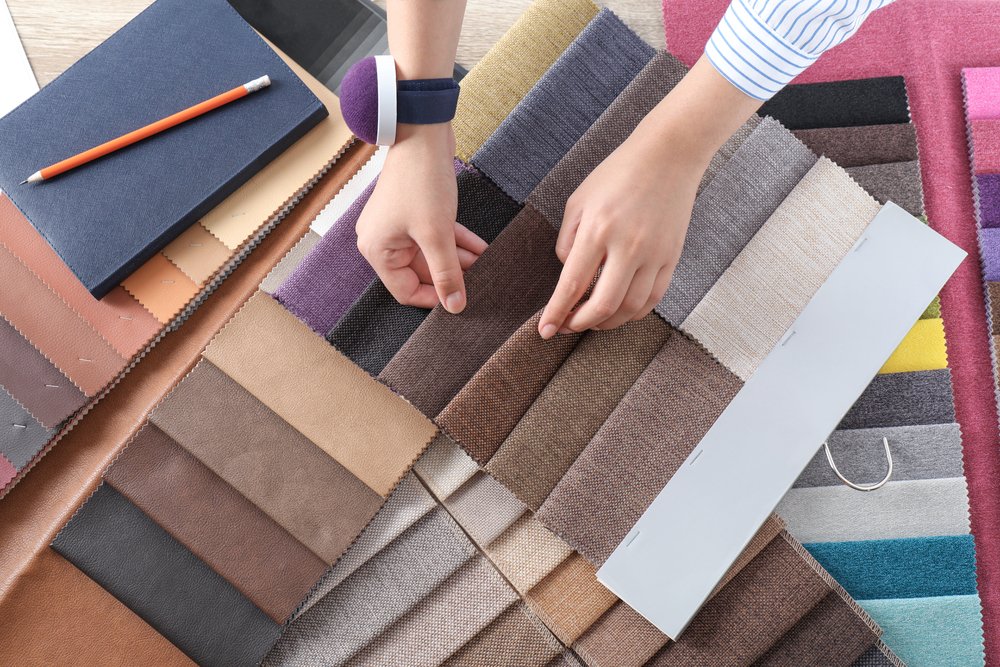
Sample books handle this especially well in the curtain category. A well-produced sample book gives a customer a generous piece of fabric they can hold up to their window, lay against their wall color, and sit with for a few days before committing. The decision feels considered rather than rushed, and brands that offer this kind of hands-on evaluation see fewer returns and more repeat orders.

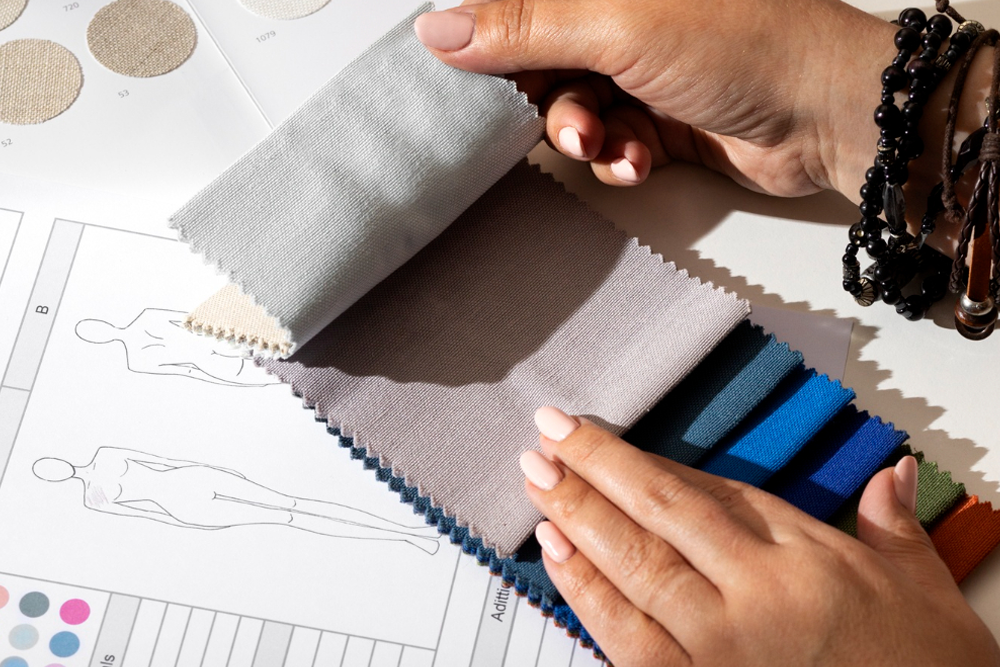
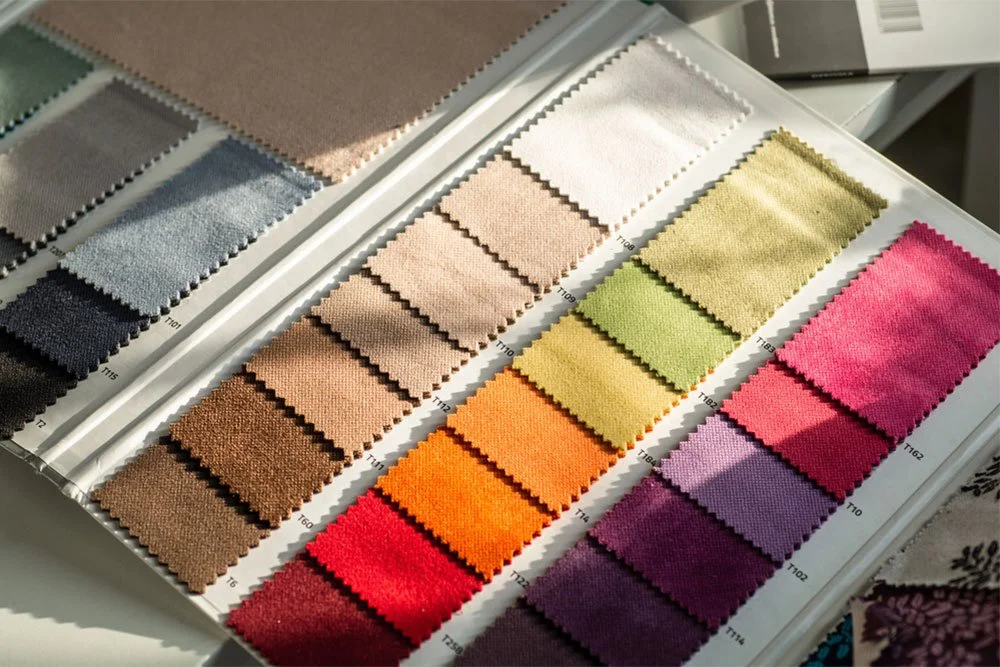
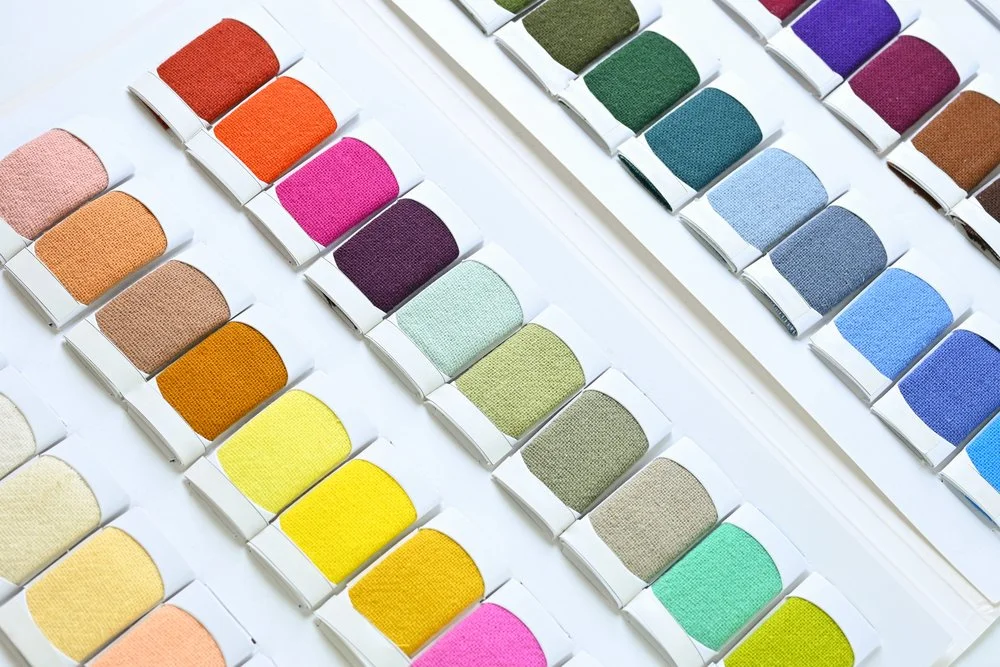
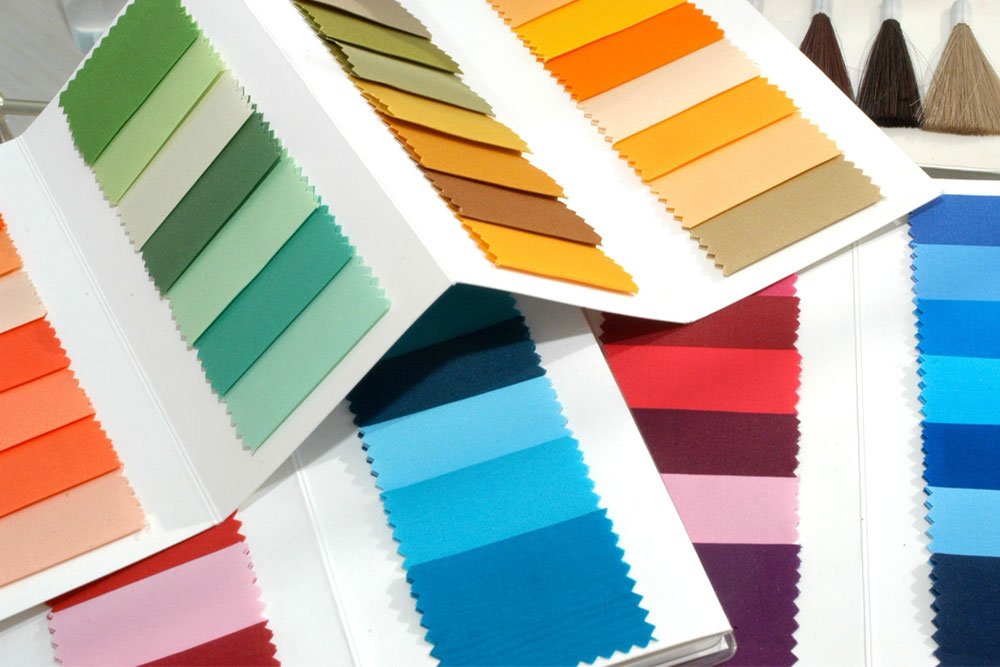
Swatch cards serve a different but equally valuable role. A single multi-panel card can present ten, twelve, or more colorways of the same curtain fabric in a format that interior designers and trade buyers can flip through in seconds. It makes your line easy to navigate and your brand easy to work with.

The Real Cost of Skipping Physical Samples

Curtain orders are rarely small decisions. Whether a customer is outfitting one room or a trade buyer is sourcing fabric for an entire property, the stakes are high enough that people want proof before they commit.

When brands skip physical sampling, a few things tend to happen:

  • Customers hesitate at the point of purchase and abandon their cart

  • Orders come in based on screen color, which rarely matches real-world lighting

  • Returns increase because the fabric felt or looked different from what was expected

  • Trade buyers move toward brands that send them something they can hold and reference

None of this is hard to fix, but it does require treating sampling as part of the sales process, not an afterthought.

Fabric with a large or intricate repeat pattern is particularly difficult to sell through images alone. A single memo sample cut to an appropriate size gives the customer a true read on how the pattern will look at scale, how the colors interact in natural light, and how the fabric handles. It removes the guesswork that leads to returns.

How Swatch Cards Fit Into a Curtain Brand's Sales Strategy

If you're selling to the trade, interior designers, or drapery workrooms, swatch cards are close to non-negotiable. Design professionals work across multiple projects simultaneously. They need to be able to pull a reference quickly, match it to a client's space, and make a decision.

A well-organized swatch card brings your entire collection together in one place. It can be filed in a binder, carried to a client meeting, or kept on a showroom table without taking up significant space. It positions your brand as organized and professional, which matters in a trade relationship.

Waterfall-style swatch cards work particularly well for curtain fabrics. Overlapping swatches let designers see multiple colorways side by side and compare how they sit together. Double- and triple-panel options give you even more flexibility to present a broad range without overwhelming the format. Swatch cards are also a physical extension of your brand.

Memo Sets and the Power of Presenting a Collection

When a curtain brand launches a new collection, memo sets are among the most effective ways to bring it to life in a buyer's hands. A set of memos bound together on a ring or chain presents coordinating fabrics as a cohesive story rather than a list of individual SKUs.

This matters because curtain buyers, especially at the trade level, are often selecting multiple fabrics for the same project. They want to see how a sheer pairs with a heavier drape, or how a print works alongside a coordinating solid. A memo set answers those questions visually and tactilely in a way that a digital lookbook cannot.

Sample books take this a step further when a brand has a broad enough range to warrant a permanent bound presentation. They create a reference point that buyers and designers return to season after season, keeping your collection visible long after the launch.

Sampling Is a Brand Statement

There's something worth saying about what a well-produced physical sample communicates beyond the fabric itself. It tells the buyer that your brand takes quality seriously, that you're invested in making the selection process easy, and that you understand how decisions actually get made in this industry.

Curtain brands that provide thoughtful, professionally produced sampling tools tend to build long-term trade relationships. A designer who has your swatch card in their library is far more likely to specify your fabric on their next project than one who has to search for you online again.

The physical sample is also an archive. It lives in a designer's studio, in a showroom, or in a buyer's office long after a season has passed. Your brand stays present without any ongoing effort on your part.

The Investment That Pays for Itself

Sampling is not an overhead expense. It's a sales tool, and a durable one. A well-made swatch card or memo set that gets used repeatedly over months or even years returns far more value than its production cost.

The brands that hesitate to invest in sampling often do so because they're thinking about the upfront cost rather than the downstream return. A single trade relationship built on the back of a strong sampling program can generate orders that dwarf the cost of producing the samples themselves.

Ready to Give Your Curtain Collection the Presentation It Deserves?

Physical samples don't just help customers choose fabric. They help your brand earn the kind of trust that keeps buyers coming back. Get in touch with us and let's talk through what's possible.

FAQs


What Is A Fabric Memo Sample, And Why It’s The Final Step Buyers Need Before Ordering

Quick Summary

Fabric memo samples are stand-alone textile samples large enough to show a full pattern repeat, true weight, and surface texture. They sit at the final stage of the fabric selection process, giving buyers the hands-on evaluation needed before committing to an order. Single memos, ring sets, chain sets, booklets, and hanging memos each serve different presentation contexts. Edge finish, label placement, and sizing all affect how well a memo performs in practice. The memo sample is less about introducing a fabric and more about confirming it.


Fabric selection is usually never a straight line. Buyers browse, compare, shortlist, and revisit before anything gets ordered. Along the way, different sampling tools serve different purposes, and most of them narrow the field. 

There comes a point in the process where the field has already been narrowed, and what the buyer needs is one honest, full-scale look at the fabric in their hands. That is the moment the memo sample was made for. 

At Harris Sample Book, we have been producing sampling tools for fabric brands and textile suppliers since 1968. The memo sample remains one of the most quietly powerful tools in the lineup. It does not introduce a collection. It closes one.

What Is a Fabric Memo Sample, Exactly?

A fabric memo sample is a stand-alone piece of material, cut large enough to give a full and honest view of the fabric. Unlike smaller catalog samples or swatch cards, a memo is sized to show the complete repeat of a pattern, the textile's true weight, and how light moves across the surface. Common sizes run from 8½" x 8½" up to 13" x 13" or 17" x 17", though these can be adjusted depending on the fabric and its intended use.

The word "memo" is well-chosen. In many ways, a fabric memo sample functions like an informal agreement between a supplier and a buyer. It says: this is the material, this is the color, this is the texture. When a buyer approves a memo, they are not just selecting a fabric; they are also approving the design. They are locking in an expectation that carries through to production.

Memo samples work across a wide range of materials. Upholstery fabrics, drapery textiles, leather, vinyl, and wall coverings are all regularly presented in memo format. The format travels well, stores easily, and communicates far more than a digital image ever could.

How Fabric Memo Samples Differ From Other Sampling Tools

Most fabric brands use a layered sampling approach. A collection might be introduced through swatch cards or fan decks, which give buyers a broad overview of the line. These tools are ideal for showing a full range of colors and options in one compact presentation.

The memo sample sits at the other end of that journey. Once a buyer has identified the fabrics they are considering, the memo gives them the focused, tactile experience needed to finalize a decision. Where a swatch card asks buyers to imagine the fabric at scale, a memo sample removes that guesswork entirely.

This is also what makes memo samples particularly valuable for large-pattern fabrics. A small swatch of a bold stripe or an oversized floral can be misleading. A memo gives the buyer a clear picture of how the repeat will look in an actual application.

The Different Types of Fabric Memo Samples

Memo samples come in several formats, and the right one depends on the context. Here is a breakdown of the most common types:

  • Single memos are stand-alone pieces, usually labeled or ticketed with product information. These work well when a buyer needs to evaluate one specific fabric in detail, or when a supplier wants to present a new addition to an existing line.

  • Ring sets group individual memos together on a heavy-duty metal ring. Buyers can easily flip through the collection, and no additional cover or protective casing is needed.

  • Chain sets use a smaller memo format secured together with a chain, similar to a key ring. These are more compact and cost-effective, making them a practical option when distribution volume is higher.

  • Booklets bind memo samples into a hard-cover format that can be customized with a logo and brand imagery. These work well in formal presentations or leave-behind situations.

  • Hanging memos are designed for showroom display on rods and rails. The samples are large enough to drape naturally, which helps buyers visualize how the fabric will behave as a window treatment or on an upholstery frame.

The edge finish on a memo sample also matters more than people expect. Straight cut, pinked, and serged edges each give a different impression of the fabric. Serged edges tend to hold up best in high-traffic showroom environments where samples are handled repeatedly.

Why the Memo Sample Is the Final Step Before an Order

There is a reason buyers ask for memos at the end of the selection process rather than the beginning. A digital swatch on a screen can communicate color reasonably well, but it cannot convey weight, drape, sheen, or texture. These are the qualities that determine whether a fabric is right for its intended purpose. They can only be assessed through direct contact.

Handling a memo sample also brings a sense of finality to the decision. Once a buyer has the fabric in front of them and placed against the materials or finishes, the choice becomes much clearer. Showrooms that keep memo samples well-organized and accessible tend to see clients make faster decisions.

From a supplier's perspective, memo samples are also one of the more efficient tools in a sampling program. They require less material than larger display formats, can be produced relatively quickly, and they travel well. When a buyer is ready to decide, getting a memo to them promptly can be the difference between closing an order and losing momentum.

Getting the Details Right on a Fabric Memo Sample

A well-produced memo sample is more than just a piece of cut fabric. The label or header attached to it carries the information a buyer needs to move forward: the fabric name, colorway, composition, and any relevant care or performance details. Labels can be placed under the fabric, on the reverse, or extending beyond the edge, depending on the preference and the presentation format.

Customization extends to the memo's size and shape as well. Some collections call for a standard square format. Others benefit from a larger piece that shows more of the repeat or allows the fabric to be folded and draped naturally.

The Moment a Buyer Stops Browsing and Starts Deciding

Fabric buying is a tactile process, and the memo sample marks its conclusion. It is the point where a buyer moves from consideration to commitment. Having the right sample in front of them at the right time makes that transition far easier.

At Harris Sample Book, we work with fabric brands and textile suppliers to produce memo samples that do that job well. Looking to develop a memo program or improve the sampling tools you are already using? Contact us to talk through the options.

FAQs


How To Design Custom Fabric Memo Samples

Quick Summary

Designing fabric memo samples well comes down to a handful of decisions that add up fast. Size should match the fabric type and end-use setting. Edge finishes protect the material and shape how professional it feels in the hand. Labels carry brand identity and the product details buyers need to act. The binding format determines how the set travels, displays, and gets used in the field.


A client can read a product description, scroll through photos, and still walk away unsure. Hand them a physical sample, and the decision gets a lot easier. At Harris Sample Book, we have seen this play out for over 50 years. It is why custom fabric memos remain one of the most practical tools in the textile industry.

A memo sample is a stand-alone piece of fabric, cut and finished, that gives buyers a real feel for the material before committing to a purchase. Done well, it communicates texture, weight, drape, and color in a way no digital image can. The question most fabric brands face is not whether to use them, but how to design them so they do their job properly.

This guide walks through the key decisions involved in creating fabric memos that look professional, withstand repeated handling, and represent your collection.

What Custom Fabric Memos Are Used For

Before getting into design decisions, it helps to understand where memo samples sit in the sales and design process. Memo samples are typically used at the final stage of fabric selection. A buyer has narrowed down their options, and the memo gives them something physical to live with before making a call. They take it home, hold it up to a finished space, compare it against other materials, and come back with a decision. In that context, the memo is doing a lot of work on your brand's behalf.

They are also used when launching new collections, adding SKUs to an existing range, or putting together kits for sales reps heading into the field. A memo that travels well, stays clean, and presents the fabric accurately is worth investing time in.

Single memos work well for fabrics with bold or large-scale patterns, where you need enough surface area to show the repeat properly. Memo sets, bound with rings, chains, or eyelets, are a great way to present a coordinating collection in a single compact package.

Choosing the Size for Your Fabric Memos

Size is one of the first decisions you will make, and it depends on what the memo needs to accomplish.

The most common dimensions in the industry are 8½" x 8½", 13" x 13", and 17" x 17". Smaller formats work well for trade reps and client meetings because they are portable and easy to carry. Larger formats give a truer read on pattern scale and tend to work better in showrooms, at trade events, or during new product launches, where you have space to display them properly.

The fabric type matters here, too. A solid-colored performance textile reads clearly at a smaller size. A fabric with an intricate jacquard weave or a large floral repeat needs more surface area to make an impression. When in doubt, go slightly larger. A sample that shows too little of the pattern leaves buyers guessing.

Size can also be customized beyond the standard options. If your collection has a specific application or end-use, the memo dimensions can be adjusted to fit that context.

Edge Finishes: The Detail That Changes Everything

The edge finish on a memo sample is easy to overlook, but it is one of the first things a buyer notices when they pick one up. A fraying edge on an otherwise beautiful fabric sends the wrong message.

There are three main finishing methods to choose from:

  • Straight cut: Clean and simple. Works well for synthetic and manmade fabrics that do not fray. Some clients also prefer this look on structured linens and cottons.

  • Pinked edge: The classic zig-zag cut. It works across a wide range of fabric types and naturally reduces fraying without any additional finishing. This is the most common choice in the industry.

  • Serged edge: An overlocked edge that gives the memo a more finished, sewn look. A good option when durability matters, especially for samples that will be handled frequently.

Beyond these three, memos can also be paper-framed for a more polished, presentation-ready appearance. Some clients opt for a turned hem, which gives the sample a softer, more refined edge. The right choice depends on the fabric weight, the end audience, and the overall look you want the sample to project.

If you are putting together a set for sample books or a branded sales kit, consistency across all edge finishes is a must. Mixed finishes within a set can make even high-quality fabrics feel like an afterthought.

Labeling Your Memo Samples

A memo sample without a label is a missed opportunity. The label is where your brand shows up, and where buyers get the information they need to follow up or place an order.

At a minimum, a fabric memo label should include:

  • Fabric or pattern name

  • Fiber content and fabric composition

  • Care instructions

  • Collection name or SKU reference

  • Your brand name and logo

  • Contact details or website

Labels can be printed on an attached card and positioned under the fabric, on the back, or both. Headers (which attach at the top of the sample) are another popular option, particularly for memo sets. Headers help keep samples organized and give the set a catalog-ready feel.

Some brands are also adding QR codes to their labels, linking directly to a product page or collection lookbook. It is a practical addition for reps and designers who want quick access to more information on the spot.

The label design should align with your broader brand identity. Fonts, colors, and logo placement all contribute to how professional the finished memo looks in a buyer's hands.

Presentation Format and Binding Options

Once you have sorted size, edge finish, and labeling, the last major decision is how the memos will be presented.

Single memos can be displayed individually, hung from a display hook, or sent loose in a sales kit. Memo sets can be bound in a few different ways, depending on how the samples will be used and how often they need updating:

  • Ring sets allow individual memos to be swapped out easily, which is useful when a collection evolves or when certain SKUs are discontinued.

  • Chain sets offer a similar level of flexibility and are common in showroom settings.

  • The booklet format gives the set a more formal, curated presentation, closer to a mini-catalog.

  • Hanging memos are practical for display in showrooms or retail environments where wall or rack space is available.

The binding format affects how buyers interact with the samples, so it is worth thinking about the end-use scenario before deciding. A set that lives in a showroom needs to look good from a distance. A set going out with field reps needs to be durable and easy to carry.

Get Your Fabric Sampling Right From the Start

Designing a memo sample is not complicated, but the decisions add up. Size, edge finish, label content, and presentation format all work together to shape how a buyer experiences your fabric. Getting those details right from the beginning saves time and makes a stronger impression.

We have been helping fabric brands and textile companies work through these decisions since 1968. If you are ready to put together memo samples that represent your collection the way it deserves, get in touch with our team today.

FAQs


Fabric Memo Sets Vs. Single Memos: Which Works Best For Your Collection?

 Quick Summary

Single memos work best for large-pattern fabrics and late-stage buying decisions, where one fabric needs to stand on its own. Fabric memo sets are the stronger choice when presenting a coordinating collection, giving buyers a way to navigate a range and see how pieces relate to one another.

Format details like edge finishing, label placement, and binding style all affect how well a sample performs in real selling environments. Matching the format to both the fabric and the sales context makes the biggest difference in how effective a sampling program is.


There's a moment in the fabric sampling process when the format you choose matters as much as the fabric itself. The way a sample is presented can shape how a buyer sees it, how a designer evaluates it, and how quickly a decision gets made. At Harris Sample Book, we've worked with textile brands long enough to know that the choice between a fabric memo set and a single memo isn't always obvious. To us, it's absolutely worth slowing down to get it right.

Both formats do important work. Understanding what separates them helps you choose the one that fits your collection, your sales process, and the story your brand is trying to tell.

What Is a Fabric Memo Set, and How Does It Differ From a Single Memo?

A fabric memo sample is a stand-alone piece of fabric used to give buyers and designers a real, hands-on look at how a textile feels and looks. It's larger than you'd typically find in a swatch card format, and it's designed to give an honest representation of the material (drape, texture, color) before a final decision is made.

A single memo is exactly what it sounds like: one fabric, presented on its own. It's cut large enough to show the full pattern repeat, and it usually comes with a printed label or header carrying the product details. The label can sit on the back, extend below the fabric, or both, depending on how you want to present it. Edge finishes vary too, from pinked to serged to straight cut, depending on the fabric and your preference.

A fabric memo set takes that same concept and groups multiple samples together. Instead of presenting a single fabric in isolation, you're presenting a coordinating range or an entire collection as a cohesive unit. The samples can be bound with a chain, secured on a ring, bound in a booklet, or displayed on hangers in a showroom. The product information travels with each piece, so buyers always know what they're looking at.

The practical difference comes down to scope. Single memos work best when the conversation is focused on a single specific topic. Memo sets work best when the goal is to present a range and let buyers move through a collection at their own pace.

When a Single Memo Makes More Sense

Single memos tend to shine in specific situations, and it helps to know what those are before making a call on format.

Large pattern fabrics are the most obvious use case. When a design has a wide repeat (the kind that needs space to be fully appreciated), a single memo gives that pattern room to breathe. Cutting it down into a smaller set piece would lose the design's context. Buyers and specifiers need to see the whole picture, and a single, generously sized memo lets them do that.

Single memos also make sense at the end of the selection process. When a buyer has already narrowed their options and is close to a final decision, a single memo gives them something concrete to hold. They can examine the fabric  in different lights and compare it with other materials they're considering. It becomes the last thing they evaluate before committing, which is a meaningful moment in any transaction.

From a presentation standpoint, single memos can stand alone on a display, hang from a hook, or sit in a stack. They're flexible in how they're displayed and carry all the product information the buyer needs without requiring anything else.

If you're introducing a new textile to an existing line, a single memo can also be added to a current sample book or sample set without requiring a full reprint. It fits where it needs to, which is a practical advantage worth considering.

When a Fabric Memo Set Works Better

Memo sets come into their own when the collection itself is the product. A single fabric can speak for itself. An entire coordinating range needs a format that lets the relationships between pieces come through.

A fabric memo set keeps those relationships intact. Buyers can move through the samples in sequence, see how colors and textures work together, and get a sense of the full range without juggling separate pieces. It presents a collection in the way it was designed to be seen: as a whole.

There are four main formats worth knowing:

  • Chain sets: Individual memos are secured together with a sturdy chain, similar to a key chain. The samples are usually smaller than a single memo, making them more cost-effective for larger quantities. Labels are positioned on the header, on the back, or below the fabric, at the user's preference.

  • Ring sets: Samples are secured on a heavy-duty metal ring and can be flipped through easily. No protective cover is needed, keeping the format simple and accessible in showroom environments.

  • Booklets: Samples are bound into a hard-cover book that protects the fabric and gives the set a polished, finished look. The cover can be customized with brand details, which adds another layer of presentation value.

  • Hanging memos: Samples are hung on rods in a showroom setting. This format works well for fabrics where drape matters, like upholstery or window treatments, because buyers can see how the material moves and falls.

Memo sets also work well across material types. Leather, vinyl, and blended textiles all lend themselves to the set format just as naturally as woven or knit fabrics do. The finished edges (serged, straight-cut, or pinked) can be tailored to the material, and the amount of handling the samples will need to endure. Serged edges hold up well in high-traffic showroom environments where samples are touched and handled regularly.

Customization Matters More Than You Might Think

Regardless of which format you choose, the way a memo sample is completed and labeled has a real impact on its performance in the field.

Header and label placement affect how quickly a buyer can find the information they need. A label that's easy to locate and read means less confusion in a showroom and fewer questions at the point of decision. Headers can extend beyond the fabric, sit on the back, or be placed on both the front and back, depending on how the sample will be used and displayed.

Edge finishing is another detail that often gets underestimated. Pinked edges have a classic, finished look. Straight cuts are clean and minimal. Serged edges are the most durable option and hold their shape well over time, which matters when a sample is being handled regularly. The right choice depends on the fabric type and the length of time the sample needs to remain in circulation.

Size customization is also worth factoring in. Standard memo sizes tend to fall in a range that keeps things portable and manageable, but there's room to adjust based on the pattern or material being presented. Large-pattern fabrics sometimes need a larger cut to tell their story properly.

Choosing Based on Your Collection and Sales Process

The format question ultimately comes back to two things: what your collection looks like, and how your buyers make decisions.

If your collection features individual hero fabrics or large-scale patterns, single memos give buyers the space to evaluate each one properly. If your collection is built around coordinating groups, colorways, or a range of complementary options, a fabric memo set keeps those connections visible. It makes the buying experience more intuitive overall.

It's also worth thinking about where your samples are going. Showroom displays, sales rep presentations, and direct-to-client mailings each have different requirements. Hanging memos work in a showroom, and ring sets travel well with a rep. Booklets work well as leave-behinds or mailed presentation pieces. Matching the format to the context where it'll be used makes the sample more effective, not just more attractive.

Making the Right Call for Your Brand

There's no single format that works best for everyone. The format that works best is the one that fits your fabric, your customer, and the moment in the sales cycle where that sample gets used.

What we've found over decades of working with textile brands is that the most effective sampling programs don't default to one format. They use single memos where precision and focus matter, and they use memo sets where the goal is to show range and build a narrative around a collection. The two formats complement each other more often than people expect.

Mapping out your next sampling program and want to discuss which format best fits your needs? We'd love to hear about your project. Get in touch with our team and let's figure out the best approach for your collection.

FAQs