Fabric Sample Books

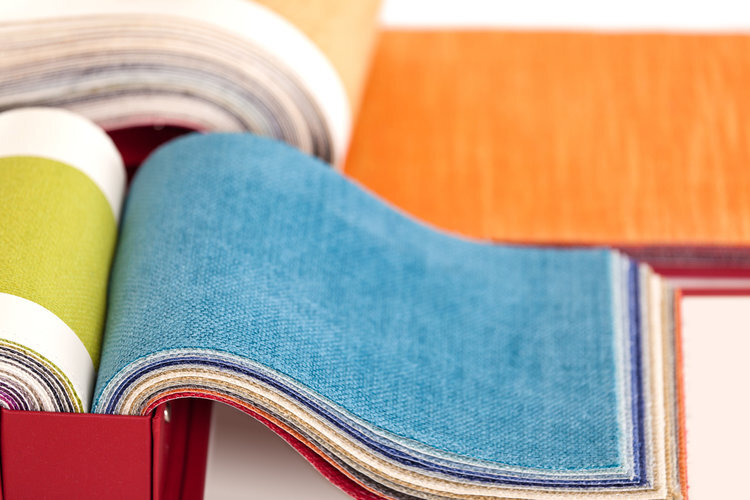
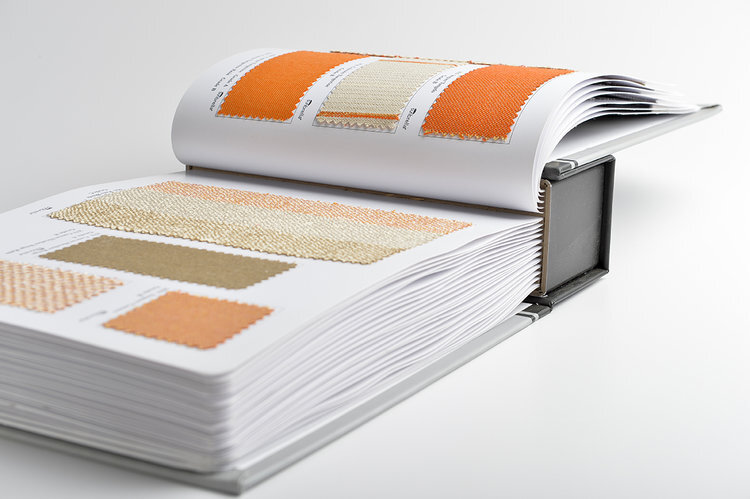
This is our namesake product that started it all in 1968. Widths, patterns, and colors of your line can sometimes dictate the need for a permanently bound book of swatches to see and feel. The traditional Sample Book is an elegant and durable method to feature your merchandise. Sample books can be created in a variety of styles, shapes and sizes and customized through Swatch Books, Stack Books, or Page Books and can include single sample or waterfall presentations. Sample Books are an elegant showcase that can be made in a multitude of sizes to suit your requirements. Due to their permanent nature and durability, Sample Books are best suited for a line with greater longevity.
SWATCH BOOKS

SWATCH BOOKS

SAMPLE BookLETs

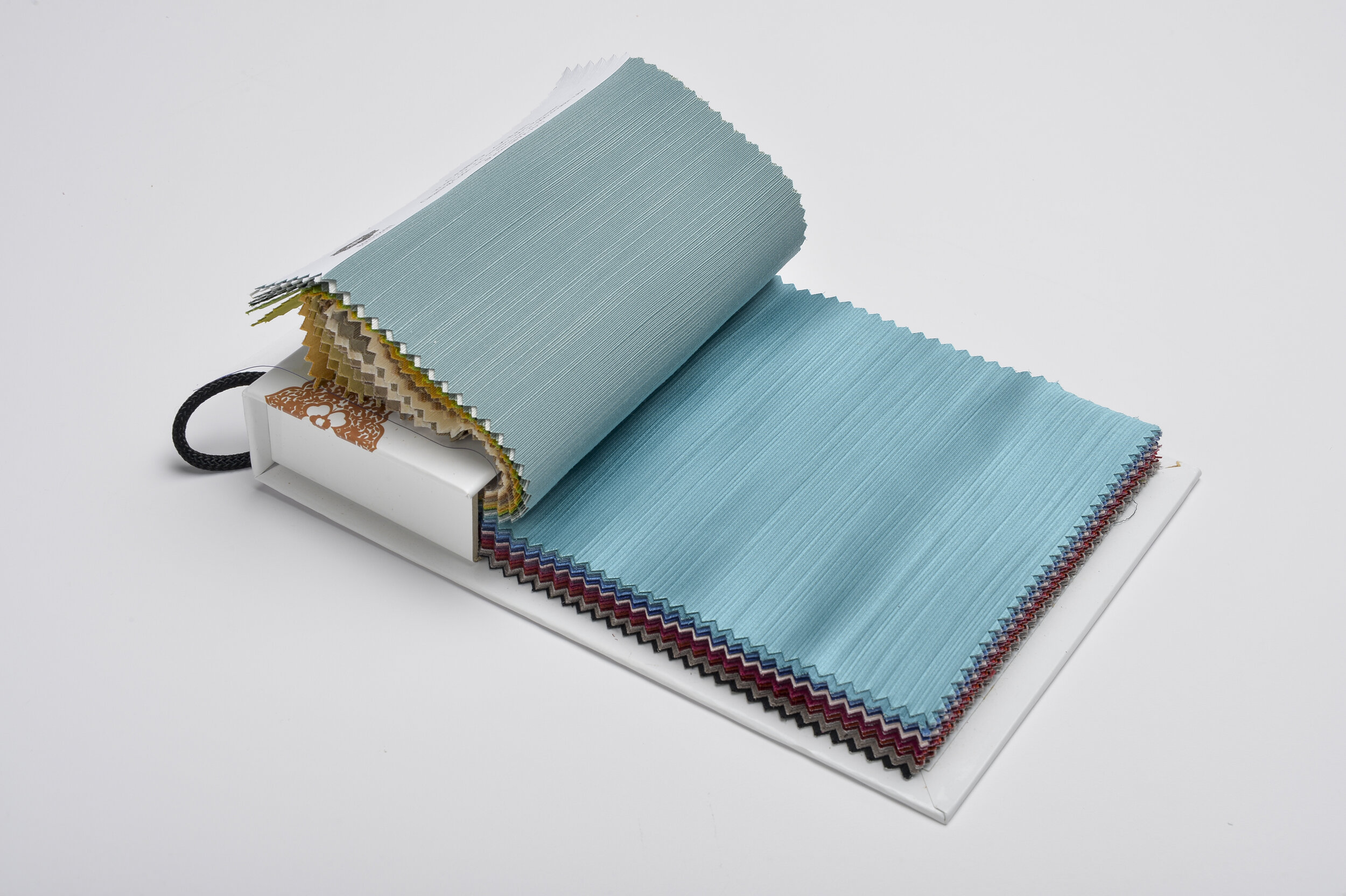
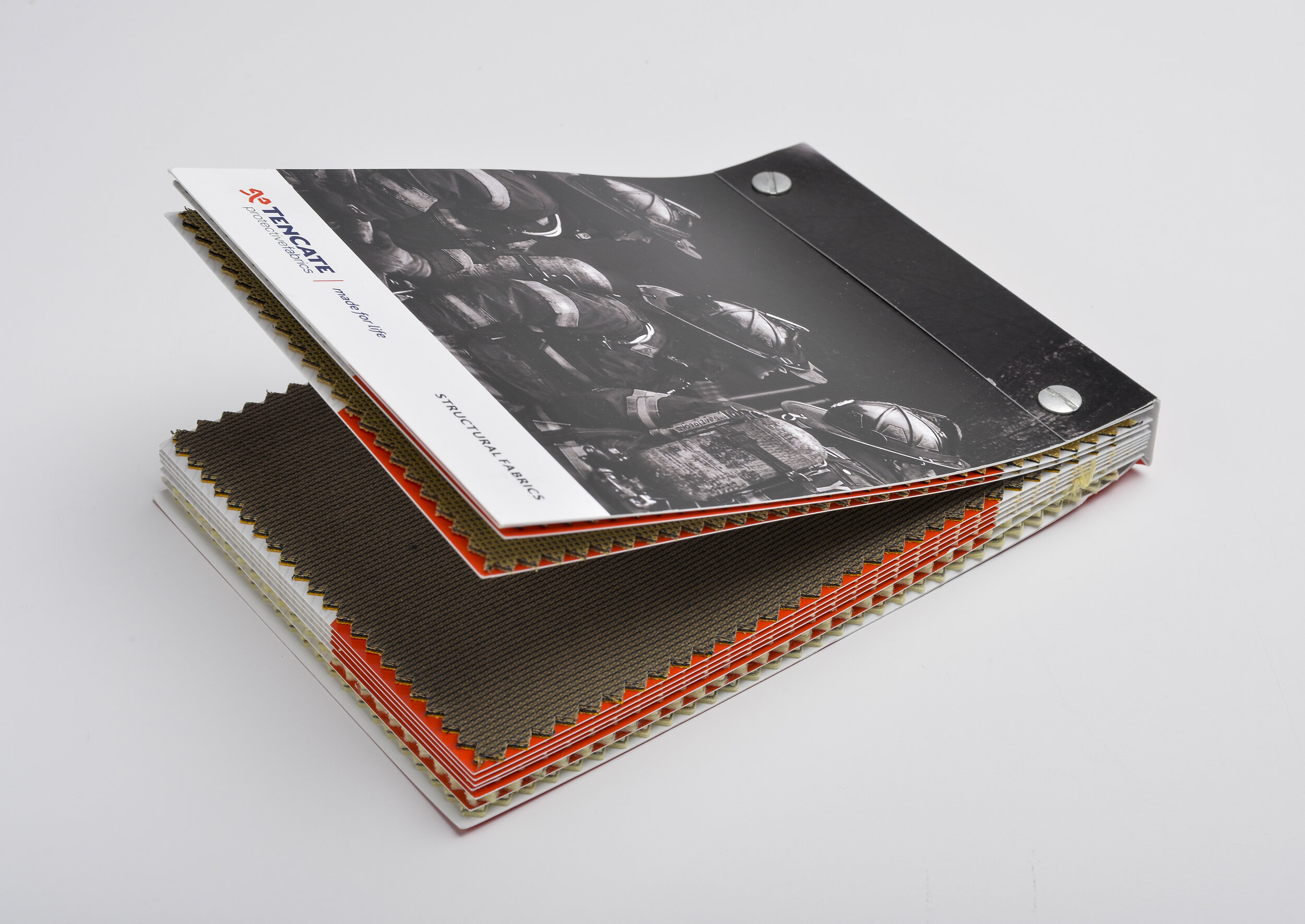
Permanently bound Swatch Booklets are best suited for smaller fabric presentation. Swatch Booklets are highly customizable and feature a cover, swatches glued to heavier card stock or loose. This can be a great tool for cost-effectively combining full textile lines in a smaller footprint and durable environment.

STACK BOOKS

STACK BOOKS

STACK BOOKS

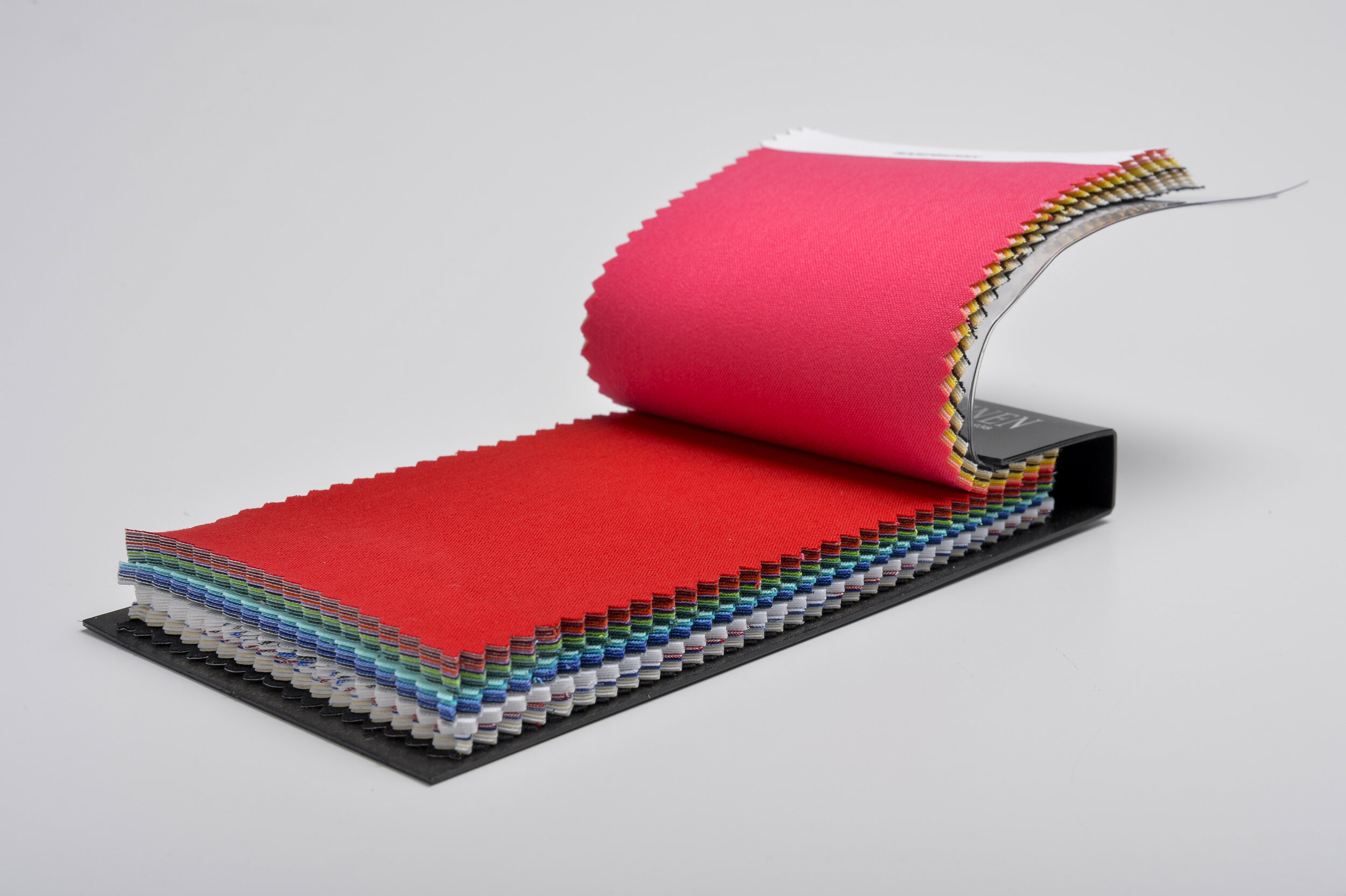
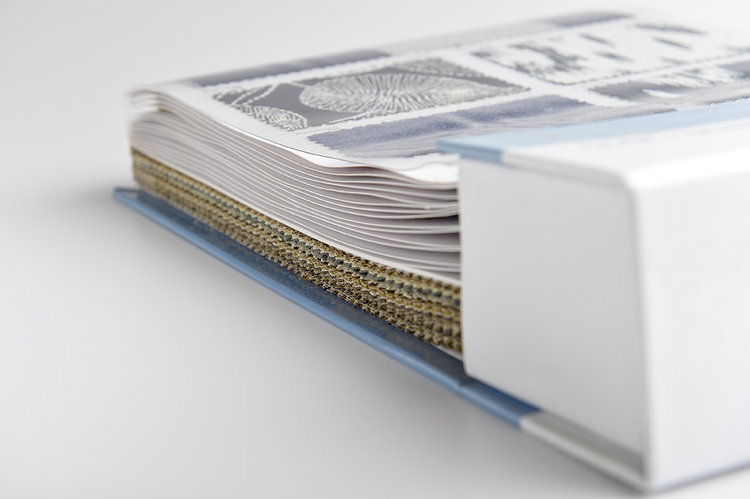
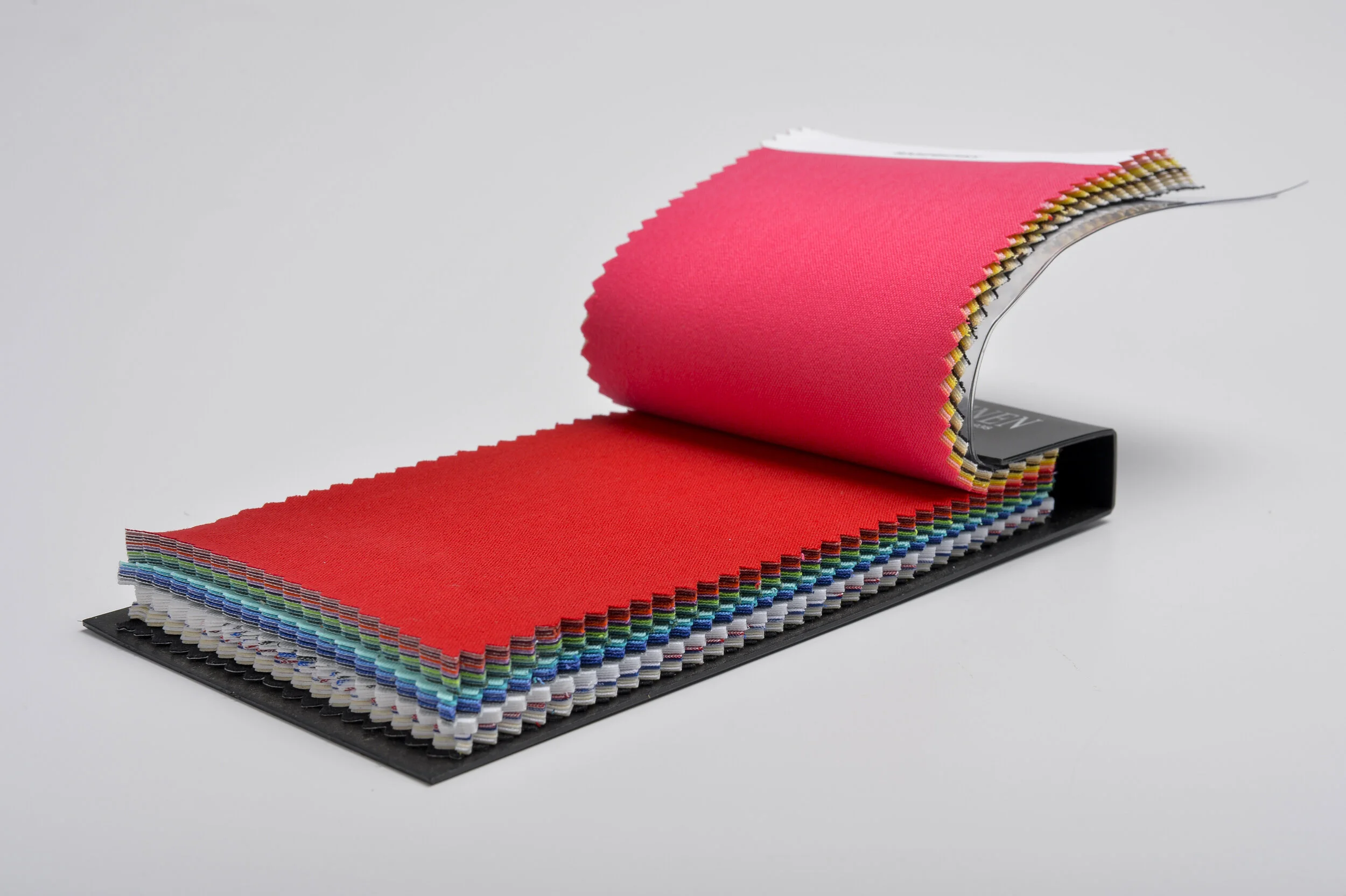
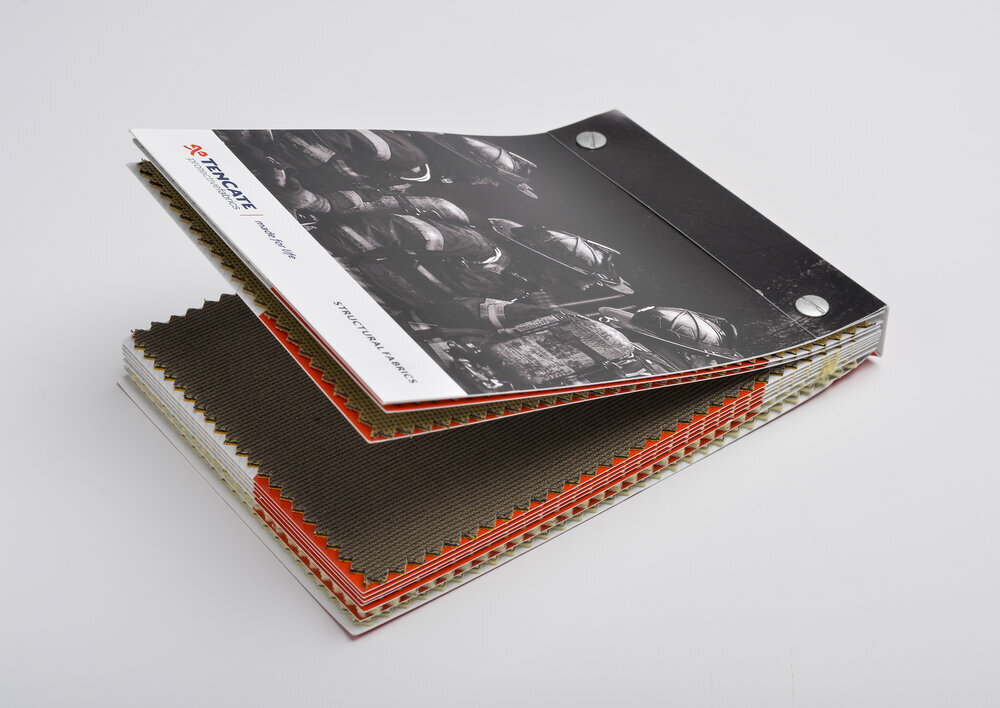
Stack Books are individual samples that are positioned directly on top of one another and permanently bound together. The cover, edges and spine can be customized and Stack Books can be created in a large variety of shapes and sizes. The swatches can be arranged in a single uniform stack or compiled with a diverse assortment of sizes. Typically the edges are finished by pinking but they can be serged or straight as well. A Waterfall presentation within a Stack Book offers a quick visual experience by displaying a greater range of samples up front. Samples are set so that they are partially covering the next to create a waterfall effect. The true benefit of this approach is that the view of multiple colors and textures at one time leads the client to identify their desired choices more expediently. Waterfall samples can be presented flat or folded with a variety of edging styles. 

PAGE BOOKS

PAGE BOOKS

Page Books

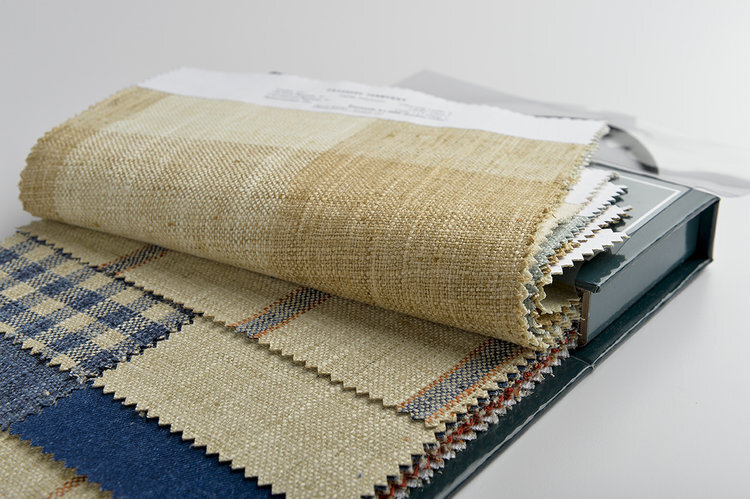
The traditional Sample Book or Pattern Book, our Page Books are an elegant showcase that can be made in a multitude of sizes to suit your requirements. Due to their permanent nature and durability, Sample Books are best suited for a line with greater longevity. Page Books feature swatches glued to heavier card stock allowing the user to see a full compliment of products. All elements of the book are customizable and can be a great tool for combining full textile lines in a cohesive and durable environment. 


SAMPLE BOOK GALLERY
FAQ'S

A: A Stack Book layers swatches in an overlapping arrangement so buyers can flip through them almost like pages, which suits collections where texture comparison matters. A Page Book presents swatches on individual bound pages, often with more room for product details, making it a strong fit for collections that need supporting information alongside each fabric. A Swatch Booklet is typically a smaller, more compact version, ideal for pared-down lines or as a companion piece to a larger presentation. The right choice usually comes down to collection size, how much written information you need to include, and how buyers will physically use the piece day to day.
A: Because a permanently bound sample book cannot have pages swapped out individually, it helps to think ahead about how often your line changes before committing to this format. We recommend grouping fabrics that are likely to stay consistent for a full season or year, and considering a companion supplement, like a memo sample or small card, for anything expected to rotate more frequently. Planning your print run size around a realistic collection lifespan also helps avoid overproducing books that will need replacing sooner than expected. A little forecasting at the planning stage goes a long way toward getting the most value out of a bound format.
A: Once a collection grows large enough that a single book becomes heavy, unwieldy, or difficult for a buyer to navigate quickly, it is usually a sign that splitting into smaller booklets makes more sense. This threshold varies by fabric weight and swatch size, but many clients find that breaking a collection into categories, such as by material type or color family, keeps each booklet manageable and easier to browse. Smaller booklets also let buyers request only the sections relevant to their project instead of carrying a full catalog. We help clients find that tipping point based on how their sales team actually uses the piece in the field.
A: A waterfall presentation staggers each swatch slightly lower than the one before it, so every fabric remains visible at a glance without needing to lift or flip anything. This creates a more immediate, tactile browsing experience, since buyers can see and touch multiple options almost simultaneously rather than working through the book one page at a time. A uniform stack, where swatches sit directly on top of one another, tends to suit collections where sequence matters more than instant visibility. We often recommend the waterfall approach for collections built around color range or gradient, since it lets that progression read clearly the moment the book opens.
A: A sample book makes the most sense when your collection is genuinely stable, and you value the cohesive, polished presentation that a bound format delivers, something that interchangeable systems can sometimes sacrifice for flexibility. It also tends to hold up better structurally over repeated handling since there are no loose panels or hardware to loosen over time. If your line changes frequently, though, an interchangeable format like a chain set or modular fan deck will likely save you money and hassle in the long run. We usually walk clients through their expected rate of change before recommending one path, since that single factor tends to matter more than any other.