
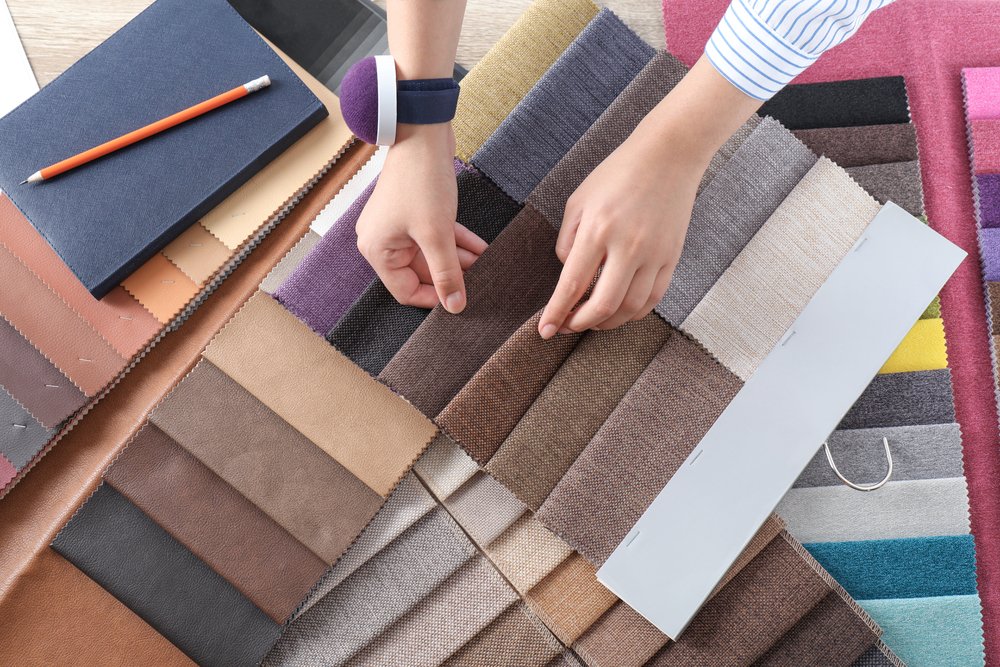
In the garment industry, fabric decisions influence every stage of development, from the earliest design concepts to final production approval. Physical samples remain a trusted way to evaluate materials, align teams, and move projects forward.
Understanding how a swatch card in garment industry workflows fits into the broader textile sampling process helps you manage timelines, communication, and expectations more effectively.
Swatch cards give form to ideas, allowing you and your partners to see and feel materials rather than rely on descriptions or images. When integrated thoughtfully, they act as steady reference points that guide decisions across departments and throughout the life of a garment project.
Establishing Direction During Early Design Exploration
At the start of garment development, designers are translating ideas into tangible forms. Swatch cards play a meaningful role at this stage by allowing you to explore fabric options in a controlled and organized way. Instead of handling loose swatches, designers can review materials side by side on cards, which makes comparisons more intuitive.
Color relationships, surface texture, and weight become easier to assess when presented clearly. These early interactions help refine creative direction before sketches move into development.
Swatch cards also make collaboration smoother, as multiple team members can reference the same materials during discussions. When everyone is reacting to the same physical samples, feedback becomes more focused and productive. This early clarity helps guide decisions that influence the rest of the sampling workflow.
Guiding Fabric Selection and Sourcing Conversations
As designs progress, sourcing teams begin evaluating fabrics based on availability, performance, and alignment with design intent. Swatch cards provide a practical way to assess these factors without committing to full fabric runs. You can handle the material, observe how it reacts to light, and discuss its suitability for the intended garment. These cards also serve as shared references during conversations with mills and suppliers.
When sourcing discussions revolve around a specific card, expectations become clearer and misunderstandings are reduced. Swatch cards make it easier to communicate preferences and adjustments, helping sourcing teams narrow options efficiently. This clarity contributes to smoother decision-making and keeps the workflow moving without unnecessary delays.
Creating Consistency Across Internal Teams
Garment development involves designers, merchandisers, technical teams, and production planners, each bringing a different perspective to the process. Swatch cards act as a common reference that keeps everyone aligned. When teams review the same cards, conversations about fabric suitability, color direction, and construction remain consistent. Clear labeling and thoughtful presentation allow teams to reference details quickly without confusion.
This shared understanding reduces back-and-forth communication and helps decisions happen more efficiently. In fast-moving environments, having a reliable physical reference saves time and keeps projects focused. Swatch cards become a quiet but steady presence that connects departments and keeps the sampling workflow cohesive.
Streamlining Buyer Reviews and Feedback
Buyer reviews represent a pivotal point in garment development, where samples are evaluated for fit, style, and material choice. Swatch cards help you present fabrics in a way that feels organized and approachable. Buyers can easily compare options, feel textures, and visualize how materials will perform in finished garments. Because swatch cards are compact and portable, buyers can reference them during internal discussions or take them into meetings.
This flexibility allows feedback to flow more naturally and helps speed up review cycles. When buyers receive samples that are clear and easy to work with, conversations tend to focus on decisions rather than clarification. This smoother interaction benefits both sides and helps projects progress with fewer interruptions.
Connecting Swatch Cards to Prototype Development
Once fabrics are selected, swatch cards continue to guide the transition into prototyping. They act as reference points that link design intent to physical samples. When multiple prototypes are in development, swatch cards help teams keep track of which materials belong to each style. This clarity reduces confusion and keeps development organized. If adjustments are needed, teams can return to the original cards to evaluate alternatives or refinements.
By keeping swatch cards accessible during prototyping, you maintain continuity throughout the workflow. This continuity helps prototypes reflect the original vision while adapting to practical considerations uncovered during development.
Maintaining Alignment During Production Planning
As projects move closer to production, alignment becomes increasingly important. Swatch cards help production teams compare incoming fabrics against approved references. This step allows discrepancies to be identified early, before they affect larger runs. Swatch cards also serve as communication tools with manufacturing partners, offering a clear visual and tactile reference for expectations.
When production teams and suppliers are aligned around the same approved samples, planning becomes more predictable. This consistency helps reduce friction during the transition from development to production. Swatch cards quietly anchor this phase by keeping material decisions grounded in approved references.
Building Long-Term Value Through Sample Archives
Beyond active projects, swatch cards continue to hold value as archived references. Many garment companies maintain libraries of past samples to inform future work. These archives allow you to revisit materials that performed well, review past color stories, or spark ideas for new collections.
Swatch cards make archiving manageable by condensing information into a compact and accessible format. When organized thoughtfully, these libraries become working tools rather than storage. Teams can draw insights from previous seasons and apply them to new projects. This long-term perspective adds depth to the sampling workflow and reinforces the role of swatch cards as ongoing resources.
Understanding how swatch cards fit into the garment industry sampling workflow highlights their influence at every stage of development. From early design conversations to sourcing, buyer reviews, and production planning, they provide continuity and clarity. Their value lies in how they connect people, decisions, and materials throughout a complex process.
At Harris Sample Book, this understanding is shaped by decades of working closely with textile and garment professionals who rely on physical samples to move projects forward.
We create swatch cards and sample cards that align with how you develop, review, and produce garments. Our team works with you to deliver samples that make fabric decisions clearer and help your workflow move forward with confidence.
Schedule an appointment to see how swatch cards can simplify the way you develop, review, and produce garments, with samples designed to make fabric decisions clearer.