
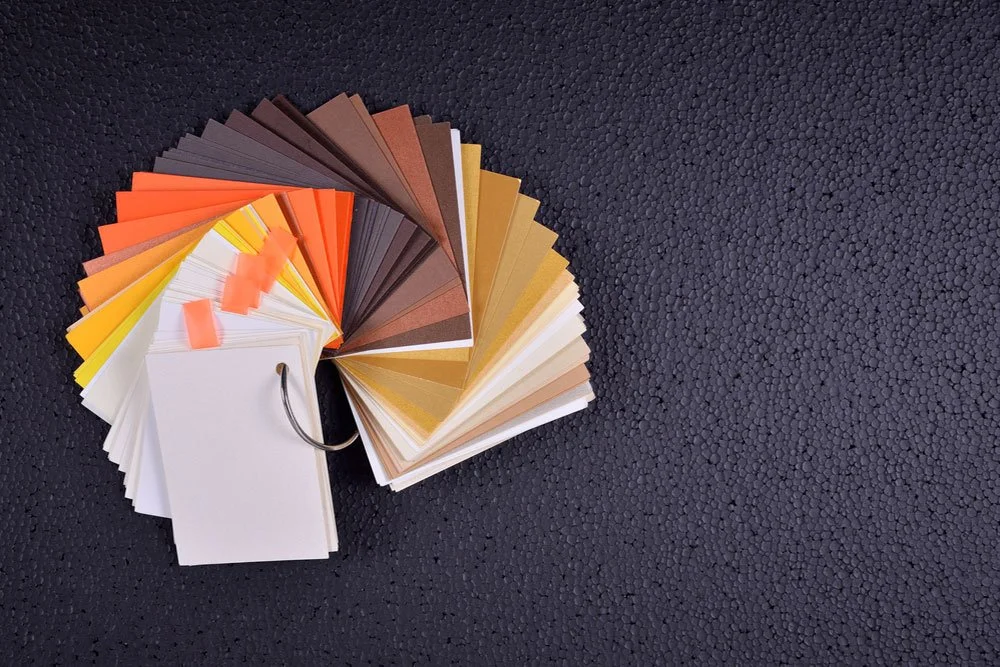
Colour decisions sit at the center of textile and garment development, influencing everything from design direction to buyer confidence. A well-structured palette helps communicate intent while making reviews and approvals more efficient. Using colour swatch cards as part of your presentation strategy allows you to bring clarity and order to what might otherwise feel subjective.
Within the first moments of review, these cards help you express relationships between shades, highlight balance, and guide conversation. When organized thoughtfully, they become practical tools that help you and your buyers evaluate options, align expectations, and move forward with greater confidence throughout the sampling process.
Clarifying the Intent Behind Your Palette
Before arranging colours on cards, it is helpful to define what your palette is meant to communicate and why it exists within a collection. Some palettes are designed to introduce a fresh seasonal direction, while others are meant to reinforce continuity and build on an established range.
When this intent is clearly defined, the way colours are selected and presented feels more deliberate and cohesive. Buyers can quickly understand whether a palette is exploratory, focused on refinement, or acting as a bridge between seasons.
This clarity also influences how colours are discussed during reviews, as conversations remain anchored to a shared objective. Internally, a well-defined purpose helps teams align around common goals and reduces uncertainty when evaluating options or responding to feedback.
Adjustments become easier to make because they can be assessed against the original intent rather than personal preference. Starting with a clear purpose gives your colour presentation direction, making it easier for everyone involved to navigate, interpret, and make confident decisions.
Arranging Colours to Show Relationships
The way colours are arranged on swatch cards has a significant impact on how they are perceived as a group and how effectively they communicate your intended palette. Thoughtful positioning allows buyers to see how different shades relate to one another, whether through hue, intensity, or undertone.
When colours transition smoothly across a card, it becomes easier to identify complementary tones, contrasts, and patterns within the collection. This method encourages comparison without creating visual confusion and highlights the harmony that exists between shades.
Gradual shifts in tone or brightness feel more cohesive and intentional when displayed side by side, helping buyers understand how the palette functions as a whole. Clear relationships between colours also make it easier to envision how fabrics might work together across garments, product lines, or seasonal collections.
A considered arrangement makes the review experience more engaging, inviting viewers to spend time exploring the options rather than feeling overwhelmed by a disorganized selection.
When these relationships are communicated effectively, discussions become more focused, collaborative, and productive, leading to faster, more confident decision-making throughout the workflow.
Balancing Familiar Shades with New Direction
Most collections rely on a mix of familiar colours and fresh additions. Presenting this balance clearly helps buyers understand how a palette fits into an existing offering while introducing something new. Established colours can act as anchors that provide reassurance, while new shades bring interest and movement. When these elements are presented together, buyers can see how updates complement what they already know.
This perspective helps them make confident choices and visualize integration into their assortments. Colour swatch cards make it possible to show continuity and evolution within the same presentation, creating a sense of thoughtful progression rather than abrupt change.
Designing Card Layouts for Easy Review
The layout of a swatch card affects how easily colours can be reviewed and discussed. Adequate spacing allows each shade to stand on its own, while clear labeling helps viewers reference colours accurately. When layouts feel calm and organized, subtle differences between shades become easier to see.
Consistency across cards also matters, as it allows buyers to move through a palette without adjusting to new formats. A well-designed layout reduces visual fatigue during longer reviews and keeps attention focused on colour evaluation. This clarity benefits both internal discussions and buyer meetings by making the review process smoother and more efficient.
Helping Buyers Engage with Confidence
Colour swatch cards often travel beyond the initial presentation, moving into buyer meetings and internal discussions. Their role as shared references makes organization especially important. When buyers can easily point to specific colours and discuss preferences, feedback becomes clearer and more actionable. These cards also help buyers revisit decisions later without relying on memory or digital references.
A well-presented palette feels approachable and professional, which encourages engagement. When buyers feel comfortable working with your samples, conversations tend to move forward with less friction and greater clarity. This ease of interaction strengthens relationships and supports timely decisions.
Maintaining Consistency Across Multiple Collections
Consistency in colour presentation builds familiarity over time. When your swatch cards follow a recognizable structure, buyers know what to expect from each new palette. This familiarity makes it easier to compare past and current offerings and supports long-term planning.
Consistent presentation also reflects a disciplined approach to brand identity, which many buyers value. Creativity still has room to evolve, but within a framework that feels reliable. Over time, this consistency strengthens recognition and makes your collections easier to navigate. Colour swatch cards play a key role in maintaining this balance between creativity and structure.
Creating Long-Term Value Through Archiving
Once a collection cycle ends, colour swatch cards continue to provide value as references. Archived palettes allow teams to revisit past colour stories, track shifts in preference, and draw inspiration for future development. These records offer visual context that can inform planning and help avoid repetition.
When archives are organized thoughtfully, they become working resources rather than storage. Teams can review past decisions and build on them with intention. This long-term perspective adds depth to your colour strategy and reinforces the value of maintaining clear, consistent records over time.
A strategic approach to colour swatch cards transforms them into tools that guide presentation, discussion, and decision-making. By clarifying palette intent, arranging colours thoughtfully, balancing continuity with change, and presenting information clearly, you create a system that benefits both your team and your buyers.
Harris Sample Book designs and manufactures custom colour swatch cards and sampling tools that help you organize, present, and maintain your palettes with clarity. From format selection to layout and finishing options, our team works with you to create samples that support confident buyer review and long-term use. Schedule an appointment to discuss swatch card solutions tailored to your collection and presentation needs.