

Color Fan Decks
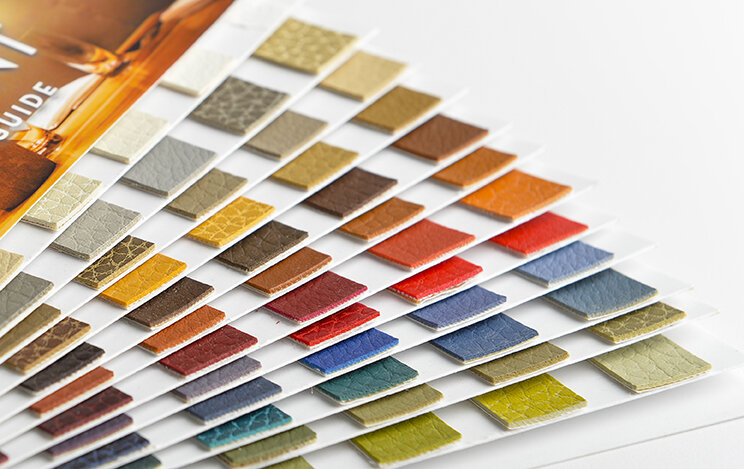
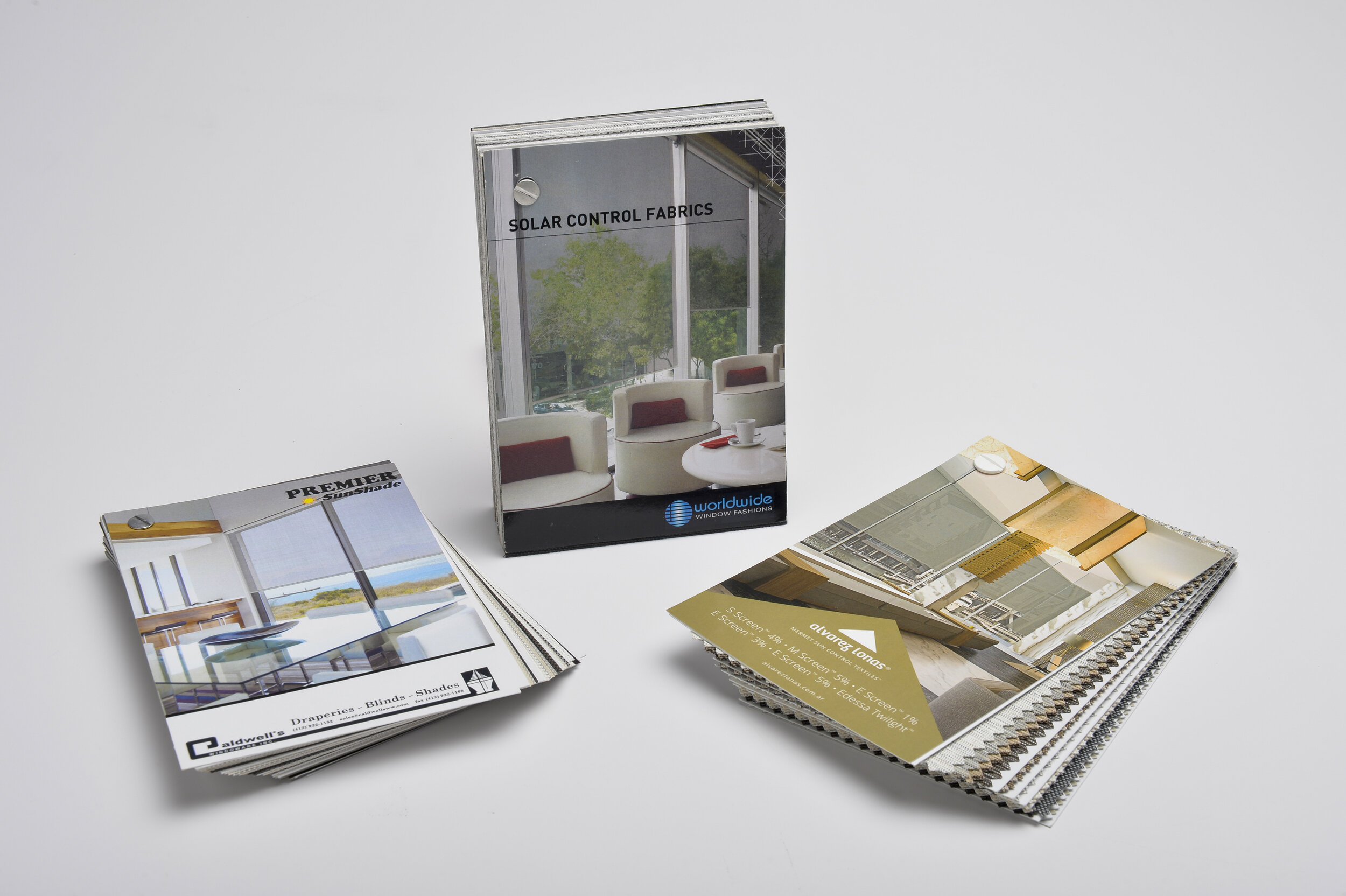
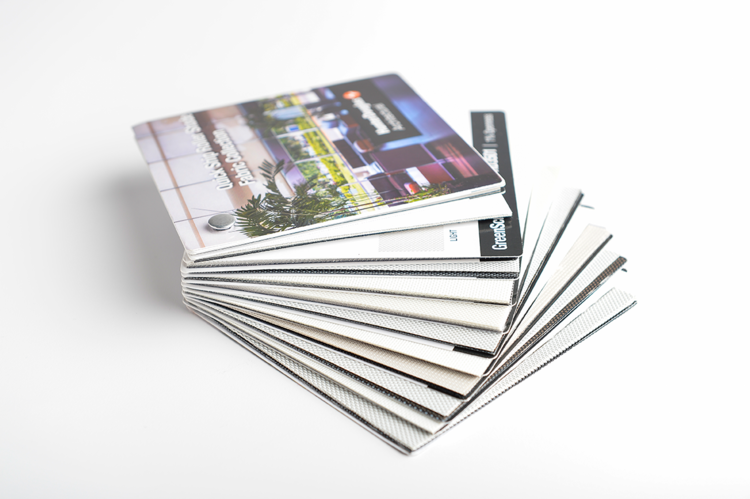
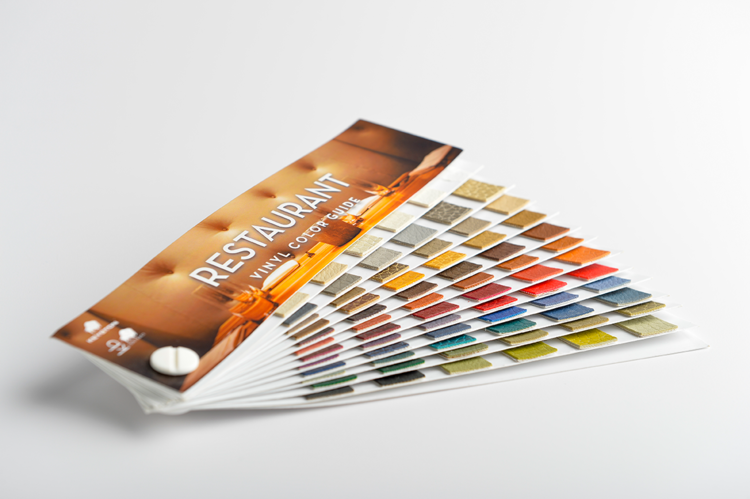
The Fan Deck is a very popular presentation for showcasing a large textile collection in a smaller format. Fan Decks are fully customizable and can feature one item per page, or many items per page. The samples are then tightly bound together in one corner so that the samples can swivel to be easily singled out, or viewed side by side.

FAN DECK
FAN DECK GALLERY
FAQ'S
A: A fan deck earns its place when portability and quick color comparison matter more than showing full-size swatches or supporting details. Because every panel pivots from a single point, a buyer can spread the whole collection out in seconds and compare colors side by side, which a bound sample book cannot do as fluidly. Fan decks also travel well, sliding easily into a bag or sample kit for sales calls and site visits. A sample book, on the other hand, tends to suit collections where buyers need larger swatches, written information, or a more immersive page-by-page experience. If your sales team is constantly on the move, we usually point clients toward a fan deck first.
A: One sample per panel gives each color or pattern its own moment, which helps when precise color matching is the priority and any visual crowding could be confusing. It also allows for a larger swatch size, so buyers get a truer read on texture and depth of color. Multiple samples per panel work better for large collections where flipping through dozens of individual pages would slow buyers down, letting them scan more options in less time. We generally recommend one per page for premium or design-focused lines and multiple per page for high-volume collections where speed of review matters more than swatch size.
A: Very heavy or stiff materials, like thick upholstery weights or bonded textiles, can make a fan deck bulky and difficult to fan open smoothly, which defeats the format's whole purpose. Loosely constructed knits or fabrics prone to fraying can also struggle without reinforcement, since repeated handling at the pivot point puts real stress on the material's edges. Sheer or highly delicate fabrics sometimes lose definition in a small panel format too. In these cases, we often suggest a sample book or memo set instead, since those formats give heavier or more delicate materials the space and support they need without compromising the deck's mechanics.
A: This really depends on how the deck was built from the start. A fan deck designed with individual, removable panels held together by pivot hardware allows you to add, remove, or swap colors without touching the rest of the deck. A deck that is permanently bound or riveted, by contrast, generally needs a full reprint to reflect any changes. We at Sample Book usually recommend the modular pivot construction for collections that grow or rotate seasonally, since it saves both cost and lead time down the road. It is worth raising this question early in the planning stage, well before your first production run.
A: Pivot hardware takes on a lot of repeated stress in a deck that gets fanned open and closed multiple times a day, so its quality has a direct effect on how long the deck holds together. A sturdier hardware option resists loosening or wear better than a lighter-duty fastener, which matters most for sales teams carrying decks between meetings, cars, and trade show floors. Weaker hardware can eventually let panels slip or separate, undermining the whole presentation. We pay close attention to expected usage when recommending hardware, because a deck built for occasional showroom use has different needs than one built for a rep on the road every week.