
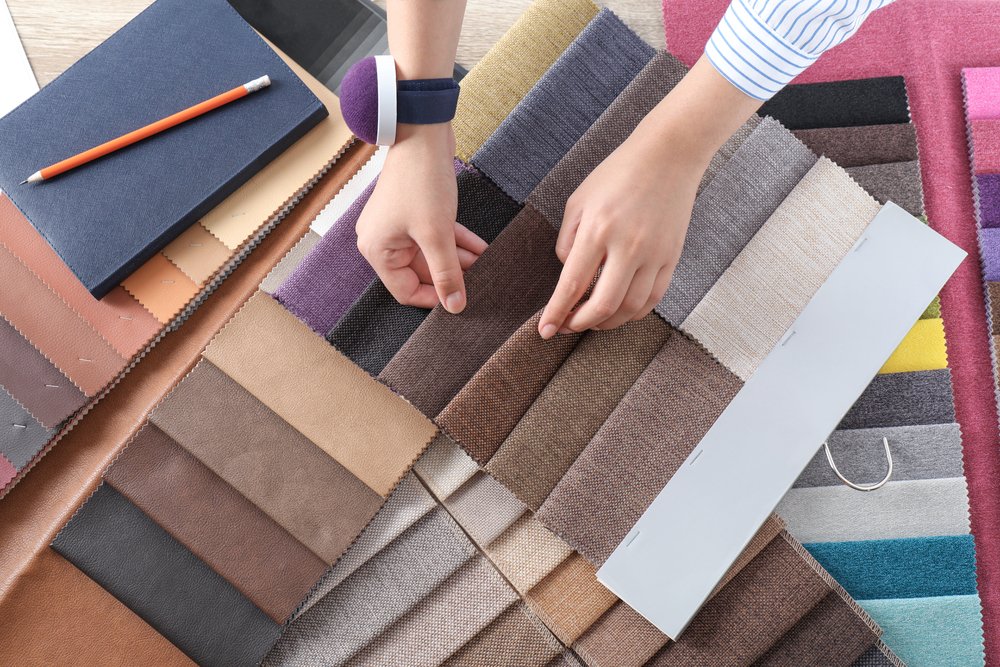
In the textile industry, the way you present your fabrics matters just as much as the fabrics themselves. Buyers, interior designers, and retail purchasers make decisions with their hands as much as their eyes.
A well-executed fabric swatch book design gives your collection a voice before a single conversation takes place. At Harris Sample Book, we have spent over 50 years helping textile brands turn their fabric lines into compelling, tactile selling tools.
We work with brands across a wide range of industries, from upholstery and drapery to fashion and performance fabrics. Our sample books are produced with that end-user context in mind.
The challenge most brands face is knowing where to start. There are decisions around format, construction, material, sequencing, and branding. Getting those decisions right requires more than a good eye. It requires experience.
What Fabric Swatch Book Design Actually Involves
Most people picture a fabric swatch book as a simple bound collection of fabric samples. In reality, the design process touches on far more than aesthetics. It is a strategic exercise in how your product is experienced, remembered, and ultimately purchased.
The foundation of good design starts with format selection. Textile brands need to think about who is using the sampling tool and in what setting. A showroom presentation calls for something very different from a sales rep's travel kit or a mailed promotional piece. The format you choose determines how buyers interact with your product, and those interactions drive decisions.
Once the format is established, sequencing becomes the next priority. How fabrics are ordered within a sampling tool influences perception. Grouping by colorway, weight, application, or collection tells a story. Buyers should move through your sampling tool with a sense of progression. Thoughtful sequencing turns a passive review into an active experience.
Swatch Cards: A High-Impact Format For Modern Textile Brands
One of the most underutilized formats in fabric sampling is the swatch card. Many brands still default to larger, more elaborate bound formats when a well-designed swatch card can accomplish the same selling goal with significantly more efficiency.
Swatch cards are highly portable, easy to distribute, and far more cost-effective to produce and update than bound books. When a colorway changes or a new collection launches, reprinting a set of swatch cards is a fraction of the cost of reprinting an entire bound sample book. This flexibility is a significant operational advantage for brands operating across multiple sales channels or updating their lines seasonally.
At Harris Sample Book, swatch cards are one of our most-requested products, and for good reason. We produce them with precision in a range of formats, including die-cut designs and double- or triple-panel layouts. The format depends on how much fabric the buyer needs to feel before deciding. The format can be adapted to suit hanging displays, mailer campaigns, trade show presentations, or direct retail use.
The key is not simply attaching a piece of fabric to a card. The card itself is part of the brand message. Paper stock, finish, typography, color, and the way the fabric is mounted all communicate something about the brand behind it. A high-end interior fabric brand should have swatch cards that feel as refined as the product they represent.
Memo Samples and When They Make the Most Sense
Memo samples serve a different function in the sampling ecosystem. These are larger fabric pieces typically sent to designers, buyers, or specifiers who need to see the fabric in context before committing to a purchase. A memo sample sits on a desk, gets held up against a wall, or gets laid across a furniture piece. It is evaluated over time, not just in the moment.
The design considerations for memo samples are less about format structure and more about presentation quality. How the fabric is cut, whether it includes a branded header card, and how it is packaged all factor into the impression it leaves. Brands that invest in well-presented memo samples consistently report stronger conversion rates from sample to order.
We work with textile brands to produce memo samples that reflect the quality of their products. A fabric that retails at a premium price point needs a memo sample presentation to match. If the sampling tool feels cheap, the fabric feels cheap, regardless of what it actually costs to produce.
The Role of Branding in Fabric Sampling Tools
Sampling tools are marketing materials. This distinction is important because many brands treat them purely as operational necessities rather than brand-building assets.
When a buyer receives your swatch card or memo sample, their first impression of your brand is formed in that moment. The experience of handling your sampling materials sets a tone. It either reinforces your brand positioning or quietly undermines it.
Branding decisions in fabric sampling include logo placement, color palette, typography, card dimensions, and the texture of any printed components. These elements should align with how the brand presents itself elsewhere: on its website, at trade shows, and in its lookbooks. Consistency across touchpoints is what makes a brand feel established and trustworthy.
Construction Quality and Why It Cannot Be an Afterthought
A fabric swatch card or memo sample that falls apart in a buyer's hands does irreversible damage. The construction of your sampling tools speaks directly to your brand's quality standards.
Adhesive selection, stitching methods, card weight, and fabric mounting technique all affect durability. Sampling tools travel. They get passed between hands, carried in bags, shipped through the mail, and stored in showroom drawers. They need to hold up.
We manufacture sampling tools with longevity in mind. Materials are selected based on end-use requirements, not just aesthetics. A sampling tool destined for a trade show needs to be built differently from one that will live in a designer's studio for months. This kind of production thinking is what separates well-made sampling tools from those that fail to perform.
Making Sampling Work Across Sales Channels
Textile brands increasingly operate across multiple sales channels simultaneously. Examples include trade showrooms, online platforms, direct-to-trade programs, and retail. A sampling strategy needs to account for all of them.
Different channels have different needs. An online fabric brand needs sampling tools designed for mailing, with packaging that creates a strong unboxing experience. A trade showroom needs large-format, visually arresting displays. A sales rep on the road needs something lightweight, organized, and easy to present.
The most effective brands develop a tiered sampling strategy where each tool is purpose-built for its channel. This does not mean designing everything from scratch. Many formats share components.
A swatch card used in a mailer program can also work in a showroom display with minor adjustments. Thinking in systems, rather than in individual pieces, is what makes a sampling strategy scalable.
The Expertise Behind Exceptional Sampling Tools
At Harris Sample Book, we bring over five decades of experience to fabric sampling. We have seen how the industry has evolved, and we understand what endures. The brands that use sampling most effectively treat it as a core part of their sales process, not an afterthought.
Our team works closely with textile brands to create sampling tools that are practical and aligned with the brand experience they want customers to have. We support the process from the first concept through final production. Every step helps your customers evaluate fabrics with confidence. When buyers can clearly see and feel materials, it becomes easier for them to choose your brand.
Ready to enhance how your textile brand presents itself? Get in touch with our team to view our products and begin planning.