
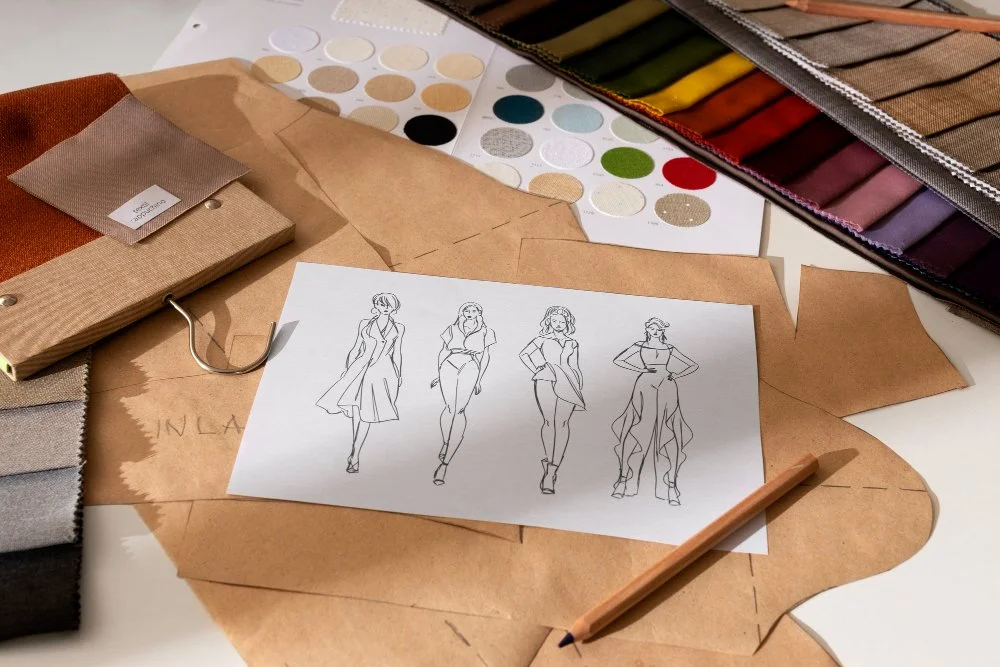
Quick Summary
Fabric memo samples give buyers a tangible piece of material to touch and evaluate before placing an order, filling a role that photos and catalogs cannot. They work alongside swatch cards and sample books as part of a complete sampling system, with each tool serving a distinct stage in the buying process. Interior designers, upholstery manufacturers, and apparel sourcers rely heavily on memo samples because texture and drape carry real weight in their decisions. Consistent sizing, organization, and presentation across all sampling formats keep buyer trust intact and speed up future ordering decisions.
Fabric buyers make decisions with their hands as often as their eyes. A photo on a website can show color and pattern, but it can't show weight, texture, or how a material moves. This is where fabric memo samples earn their place in a brand's sampling toolkit. They give buyers something tangible to touch, compare, and hold onto during the decision-making process, long before they place a full order.
If your sampling program leans heavily on catalogs or digital previews, adding memo samples can close the gap between browsing and buying by giving buyers a tangible material sample for closer evaluation.
Why Fabric Memo Samples Matter for Buyer Confidence
A memo sample is a small cutting of fabric sent to a buyer, designer, or client so they can evaluate it firsthand. It's a low-cost, low-commitment way to answer questions that photos and product descriptions simply can't. Does the fabric feel as soft as it looks? Does the color match what's on screen? Will it hold up against a specific use case?
These small pieces matter a lot in a purchasing decision. Designers working on interior projects, upholstery jobs, or apparel lines often need to see a fabric in the space or against other materials before committing. A memo sample lets them do that without requesting a full yard or committing to a bulk order.
Pairing memo samples with swatch cards gives buyers two different but complementary tools. Swatch cards typically show a broader range of colors or patterns in one compact format, making them useful for quickly scanning options. Memo samples go a step further by offering a larger piece of the actual material, which matters when texture and drape factor into the decision.
Where Memo Samples Fit Alongside Sample Books
Sampling tools work best as a system, not standalone pieces. A well-organized sample book collection gives buyers a full overview of a product line in one place, organized by category, color family, or collection. Memo samples then act as a follow-up step once a buyer has narrowed their interest down to a handful of options.
Think of it as a funnel. The sample book introduces the full range, while swatch cards help narrow the field. Memo samples close the loop by giving a final, hands-on confirmation before an order is placed. Skipping any one of these steps can leave gaps in the buyer's experience and slow down the path to purchase.
Harris Sample Book has spent decades working with fabric and textile brands to build sampling programs that guide buyers smoothly through each stage. Our approach focuses on making every touchpoint, from the first swatch to the final memo sample, useful to buyers as they move toward a final decision.
Common Situations Where Fabric Memo Samples Make a Difference
Certain buying scenarios call for memo samples more than others. Recognizing these situations can help determine when to prioritize memo samples in your sampling strategy:
Interior design projects: Designers often need to test fabric against existing furniture, wall colors, or lighting conditions before finalizing a selection
Upholstery and furniture manufacturing: Manufacturers need to confirm durability, texture, and how the material behaves when stretched or sewn
Apparel sourcing: Brands sourcing fabric for clothing lines want to feel the hand of the fabric and see how it drapes
Custom or made-to-order products: Buyers making a one-off purchase want extra reassurance before committing to a nonrefundable order
Bulk purchasing decisions: Procurement teams often request memo samples as part of an approval process before signing off on large orders
In each of these cases, the memo sample is often the deciding factor that moves a hesitant buyer toward a confirmed order.
Building Memo Samples Into Your Sampling Workflow
Adding memo samples to an existing sampling strategy doesn't require a complete overhaul. Small adjustments to how you organize, request, and distribute samples can go a long way.
A few practical steps to consider:
Organize by collection: Group memo samples according to the same categories used in your sample books, making it easier for buyers to cross-reference
Set clear sizing standards: Consistent sample sizes help buyers compare materials side by side without confusion
Track requests: Keeping a record of which memo samples get requested most often can highlight which fabrics generate the most buyer interest
Pair with product information: Including care instructions, composition, or intended use alongside each sample gives buyers context they might not get from the fabric alone
Review turnaround times: Buyers moving quickly through a project timeline appreciate fast fulfillment on memo sample requests
None of these steps need to happen all at once. Introducing even one or two changes can improve how memo samples function within a broader sampling program.
A Note on Production and Practicality
Memo samples require more manual handling than some other sampling formats. Each piece typically gets cut, labeled, and packaged individually, which takes more time and attention than producing a printed swatch card or catalog page. This labor-intensive nature is part of what makes memo samples valuable. Buyers can tell the difference between a hastily cut scrap and a well-presented sample, and that impression carries over to how they view the brand behind it.
Brands weighing whether to expand their memo sample offerings should factor in production capacity alongside buyer demand. Sometimes it makes more sense to focus memo sample production on higher-priority fabric lines. A targeted approach, focused on the materials most likely to convert into orders, tends to deliver better results than trying to cover every option.
Keeping the Buyer Experience Consistent
One thing worth watching closely is consistency across every sampling touchpoint. If a sample book shows a fabric in one lighting condition and the memo sample arrives looking noticeably different, that inconsistency can create doubt in the buyer's mind. Keeping color calibration, labeling, and packaging aligned across sample books, swatch cards, and memo samples helps buyers trust what they're seeing at every stage.
This consistency matters just as much for repeat buyers. Designers and procurement teams who order samples regularly start to recognize a brand's presentation style. When that presentation stays reliable over time, it builds familiarity that speeds up future decisions, since buyers already know what to expect.
Putting a Thoughtful Sampling Plan Into Practice
Fabric memo samples aren't a replacement for sample books or swatch cards. They work best as one part of a larger system, filling a specific role that photos and printed materials can't. Buyers get a tangible piece of the actual fabric, which often makes the difference between a maybe and a confirmed order.
Looking at how memo samples fit into your current sampling program is a useful exercise, regardless of how established that program already is. Small adjustments to organization, sizing, or turnaround time can improve the buyer experience without requiring a complete redesign of your sampling strategy.
Ready to Refine Your Sampling Approach?
Every fabric line has its own quirks, and sampling strategies should reflect that. Curious about how memo samples could work alongside your current sample books or swatch cards? Talk with our team about what might fit your product line best.Talk with our team
-
A memo sample is a small fabric cut sent to a buyer or designer for hands-on evaluation. It lets someone check texture, weight, and color accuracy before committing to a larger order.
-
A sample book works well for browsing a full product line and narrowing down options early on. Memo samples come into play once a buyer has already identified a few finalists and needs a closer, hands-on look before ordering.
-
Memo samples usually involve more manual cutting, labeling, and packaging compared to printed swatch cards. This adds some time to the process, though turnaround varies depending on the volume and complexity of the request.