
Quick Summary
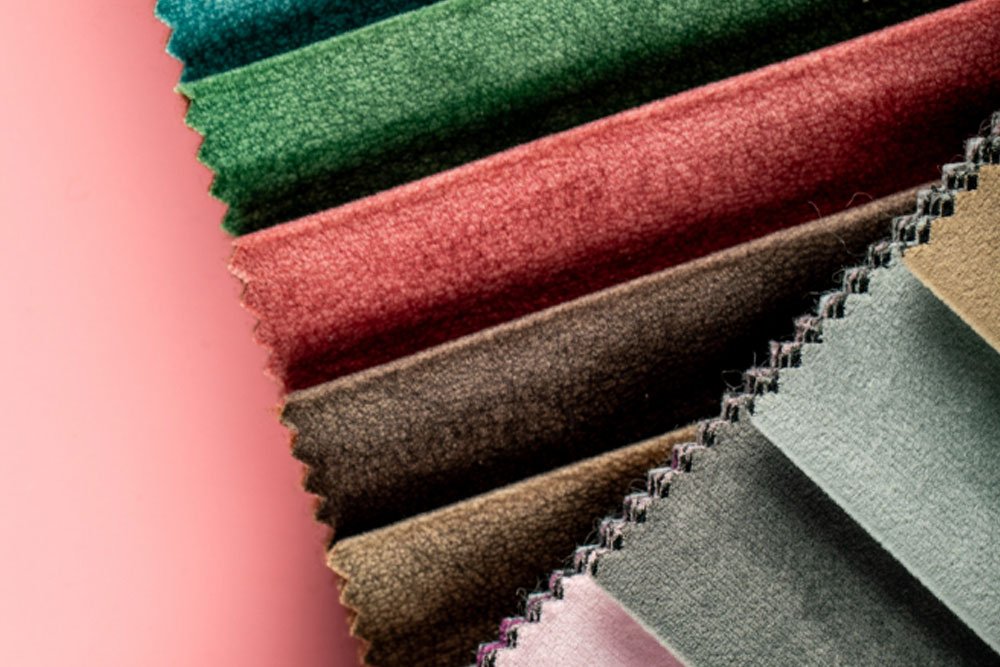
Vinyl fabric samples carry the weight of a commercial buyer's decision, since texture, flexibility, and finish reveal how a material will hold up over years of heavy use. Format matters as much as the material itself: fan decks suit quick comparisons, memo samples let buyers test pieces against real spaces, and sample books keep larger projects organized across multiple stakeholders. Durability cues like surface grain, seam behavior, and backing weight give buyers physical proof that a spec sheet can't offer. A thoughtful sample presentation reflects on the product line as a whole and often shapes how buyers perceive the company behind it.
Commercial buyers move slower than residential shoppers, and there's a good reason for that. A hotel lobby, a healthcare waiting room, or a restaurant booth needs materials that hold up to years of use. The sample stage matters more than it does for a homeowner picking curtains.
Vinyl fabric samples are often the first physical proof a client gets that a material can survive heavy traffic, spills, and daily wear without losing its look. Getting that first impression right can make the difference between a signed contract and a stalled conversation.
Why Vinyl Fabric Samples Matter More In Commercial Settings
Vinyl is a popular choice for commercial upholstery, wall coverings, and flooring accents because it resists moisture, cleans easily, and holds color over time. None of that comes across on a spec sheet. A buyer needs to touch the material, flex it, and see how it responds to pressure before trusting it in a busy environment.
This is where sample presentation becomes part of the sales process itself. A well-made sample tells a client how a product will age, not just how it looks on day one. Texture, thickness, and finish all communicate something about longevity, and commercial clients tend to notice these details quickly since their decisions affect budgets and maintenance schedules for years.
Matching Sample Formats To The Buyer's Decision Process
Every commercial client evaluates materials differently depending on their project size and timeline. Some formats work better than others depending on where a buyer sits in the decision process.
Early-stage buyers browsing options across a product line often respond well to fan decks, since they allow quick comparison between multiple colors or finishes without handling separate cards. Once a buyer narrows their focus, memo samples give them a physical piece large enough to test against furniture, walls, or existing decor in their own space.
Design firms and procurement teams working on larger contracts, hotel chains, healthcare facilities, or office renovations tend to prefer organized formats they can carry between meetings and reference later. This is where format choice starts to matter as much as the material itself.
Durability Cues Buyers Look For In A Sample
Commercial clients rarely make decisions on appearance alone. Several physical cues tell them how a vinyl product will perform once it's installed:
Surface texture: A slightly grained or embossed finish often signals better scratch resistance than a flat, glossy surface
Flexibility: Material that bends without cracking suggests it can handle repeated use on seating or high-touch surfaces
Seam behavior: How a sample folds or creases at the edges hints at how it will wear over time in upholstered applications
Backing weight: A heavier backing usually points to better structural support in demanding environments
Color consistency: Even coloring across the sample suggests the batch will hold up under UV exposure and cleaning products
A buyer needs the physical piece in hand to judge them properly, which is part of why sample quality matters so much in commercial sales.
Presenting Samples For A Professional First Impression
A sample only does its job if it looks intentional. Loose swatches thrown into an envelope send a different message than a card presented with clear labeling, consistent sizing, and a layout that matches the brand's identity.
Swatch cards work well for this because they give each material a defined, repeatable presentation. A buyer flipping through a set of cards forms an impression of the entire product line, not just one item, and that impression carries into how they perceive the company behind it.
For projects involving multiple patterns, finishes, or colorways, organizing samples into sample books gives buyers a reference they can keep on hand throughout their decision timeline. This matters in commercial settings where a purchase might involve several stakeholders reviewing the same materials weeks apart. A consistent, well-organized set of samples keeps everyone looking at the same information.
Practical Tips For Choosing The Right Sample Format
A few considerations can guide the choice between formats, depending on the audience and the project:
Project scope: Larger commercial jobs with multiple material choices often benefit from a bound sample book rather than loose cards
Audience type: Architects and designers may prefer larger memo pieces they can test against other materials, while procurement teams often move faster with compact fan decks
Timeline: Quick-turnaround projects benefit from formats that are easy to compare side by side
Branding: A sample's presentation reflects on the product itself, so labeling and layout deserve the same attention as the material
Every project brings its own mix of stakeholders, budgets, and timelines, and the sample format should reflect that.
What Makes Vinyl A Reliable Choice For High-Traffic Spaces
Vinyl earns its place in commercial interiors because it balances durability with design flexibility. It can mimic leather, fabric weaves, or natural textures while still holding up to cleaning agents and daily contact. That combination is part of why vinyl fabric samples remain a common request from designers working on hospitality, healthcare, and retail projects.
Buyers evaluating vinyl for these environments are usually thinking beyond the initial purchase. They're picturing five or ten years of wear, cleaning cycles, and possible reupholstering costs down the line. A sample that demonstrates how a material handles those pressures, even in a small physical piece, gives them a clearer basis for that long-term decision.
Bringing It All Together For Commercial Buyers
At Harris Sample Book, we've spent decades watching how physical samples shape buying decisions across the textile industry, and vinyl products tend to raise the stakes even higher given how much commercial clients rely on durability before signing off on a purchase. A sample that communicates texture, flexibility, and finish clearly does more of the selling work than any spec sheet could.
Getting the format right, whether that's a fan deck for quick browsing or a full sample book for a multi-phase project, comes down to knowing the buyer's process and giving them what they need at each stage. Our team works with fabric and textile brands to build sampling tools that hold up to that scrutiny.
If you'd like to talk through options for your next commercial project, contact us today.
FAQs
-
Vinyl needs to demonstrate durability under pressure, not just color and texture. Buyers often flex or press the sample to judge how it will perform in high-traffic commercial settings.
-
Projects with multiple stakeholders or several material choices tend to benefit from a bound sample book. It keeps everyone reviewing the same set of options across a longer decision timeline.
-
Surface texture, seam flexibility, and backing weight all offer clues about long-term performance. A sample that creases without cracking usually points to better durability in daily use.