Fabric Swatch Cards

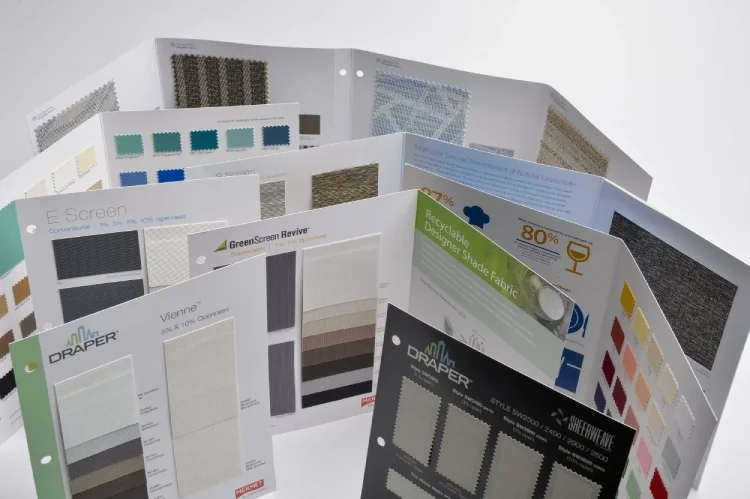
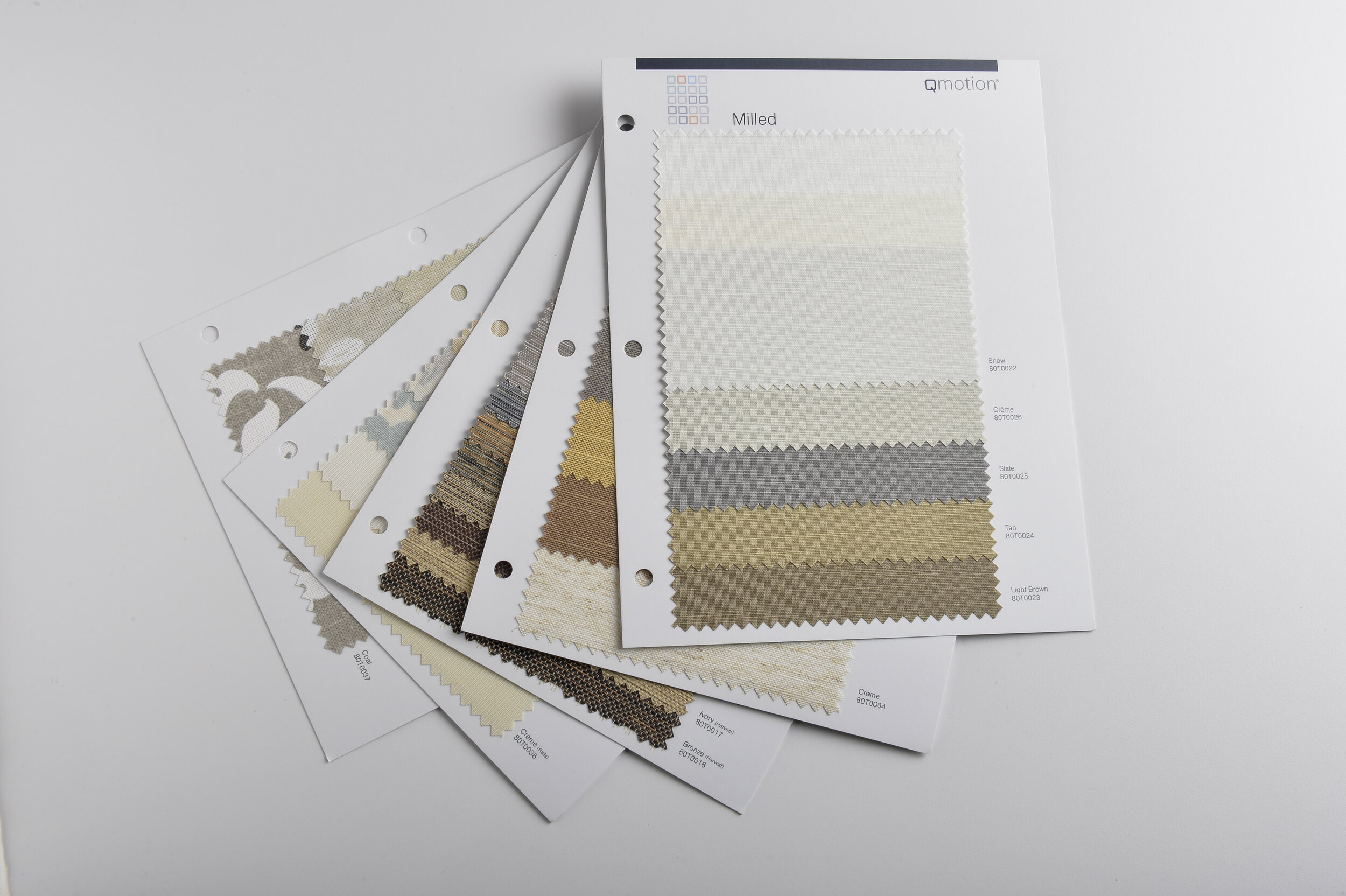
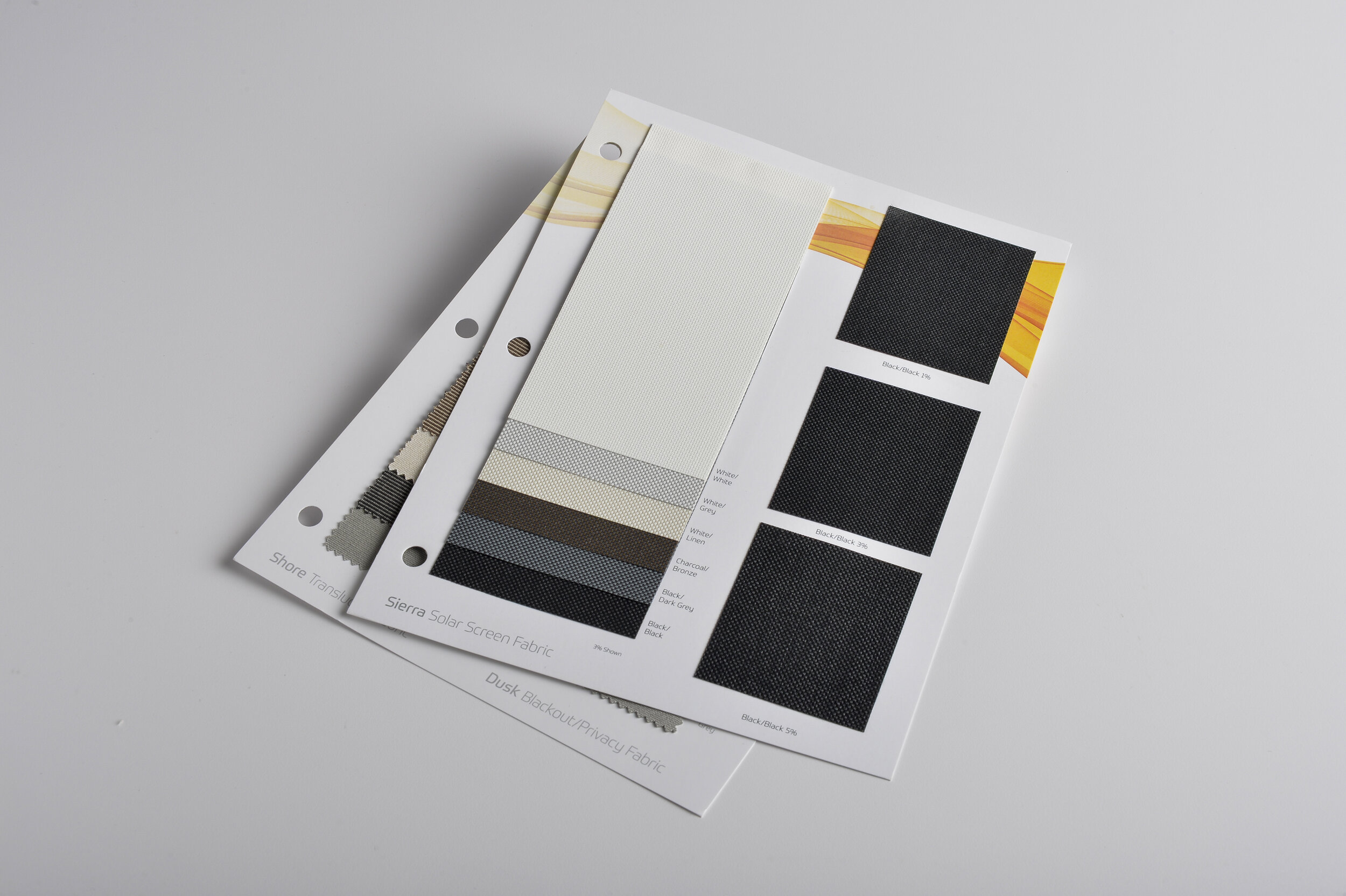
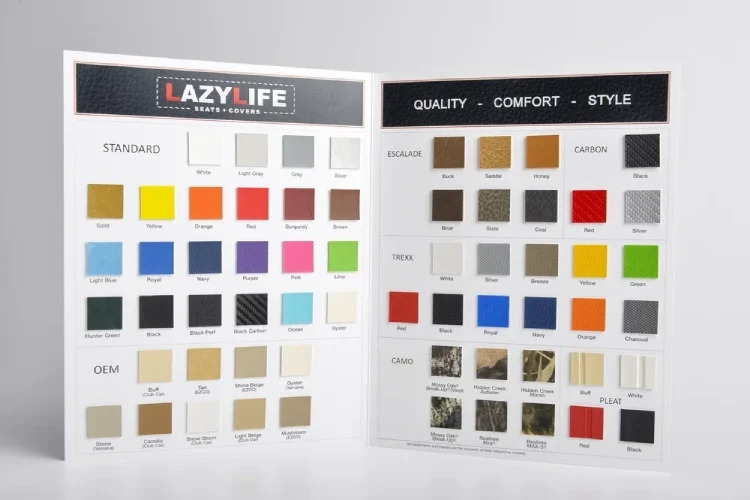
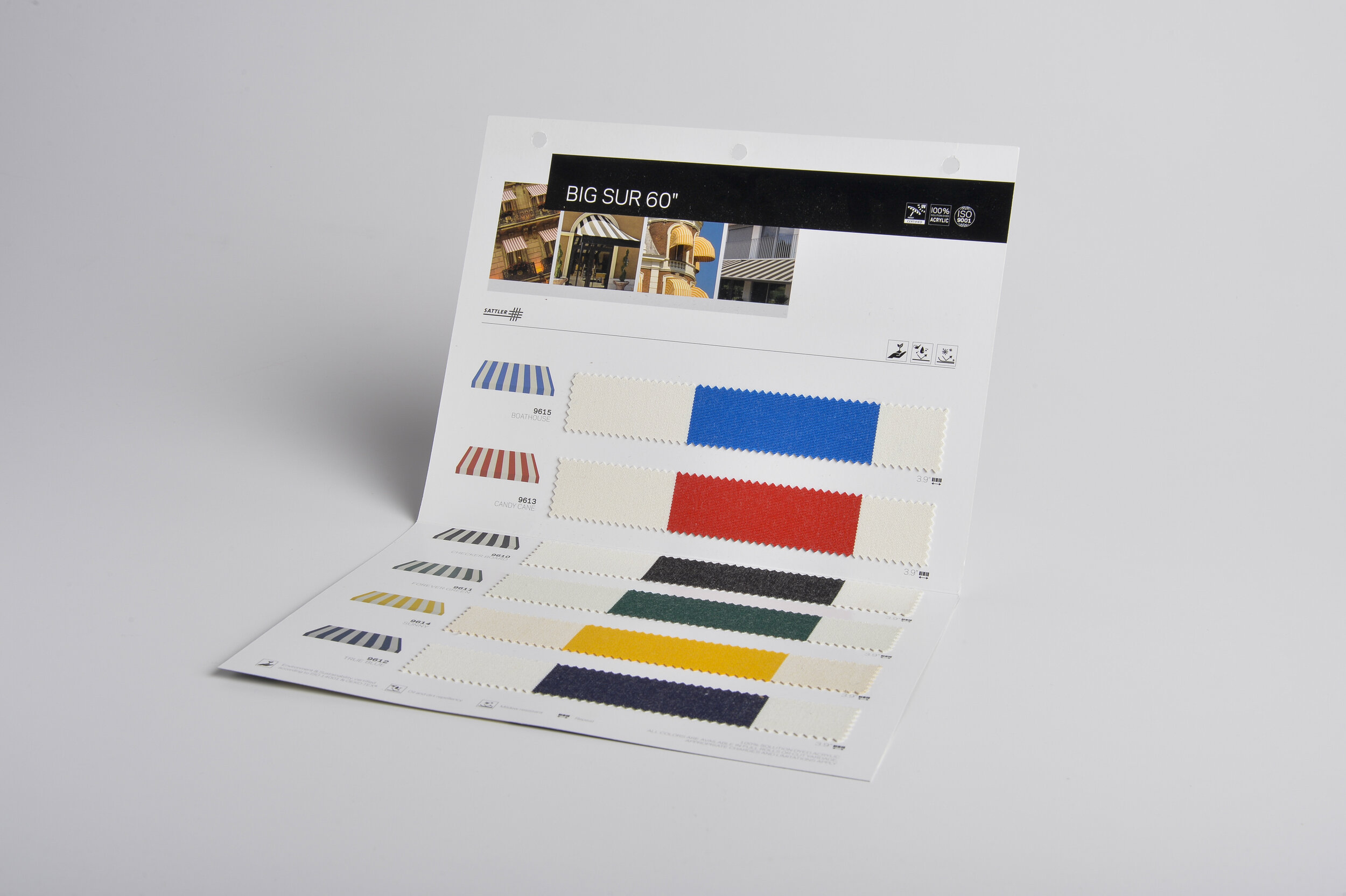
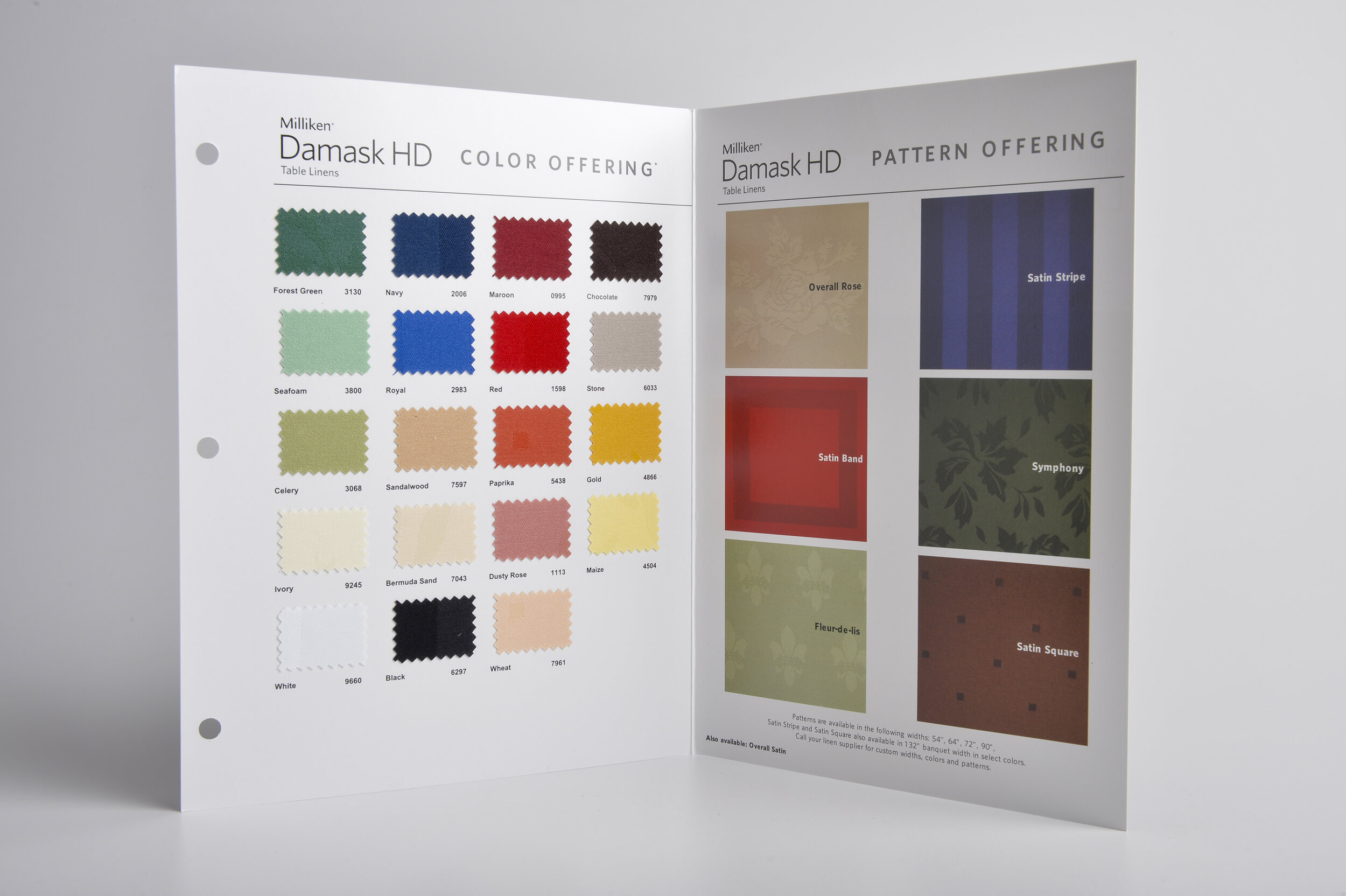
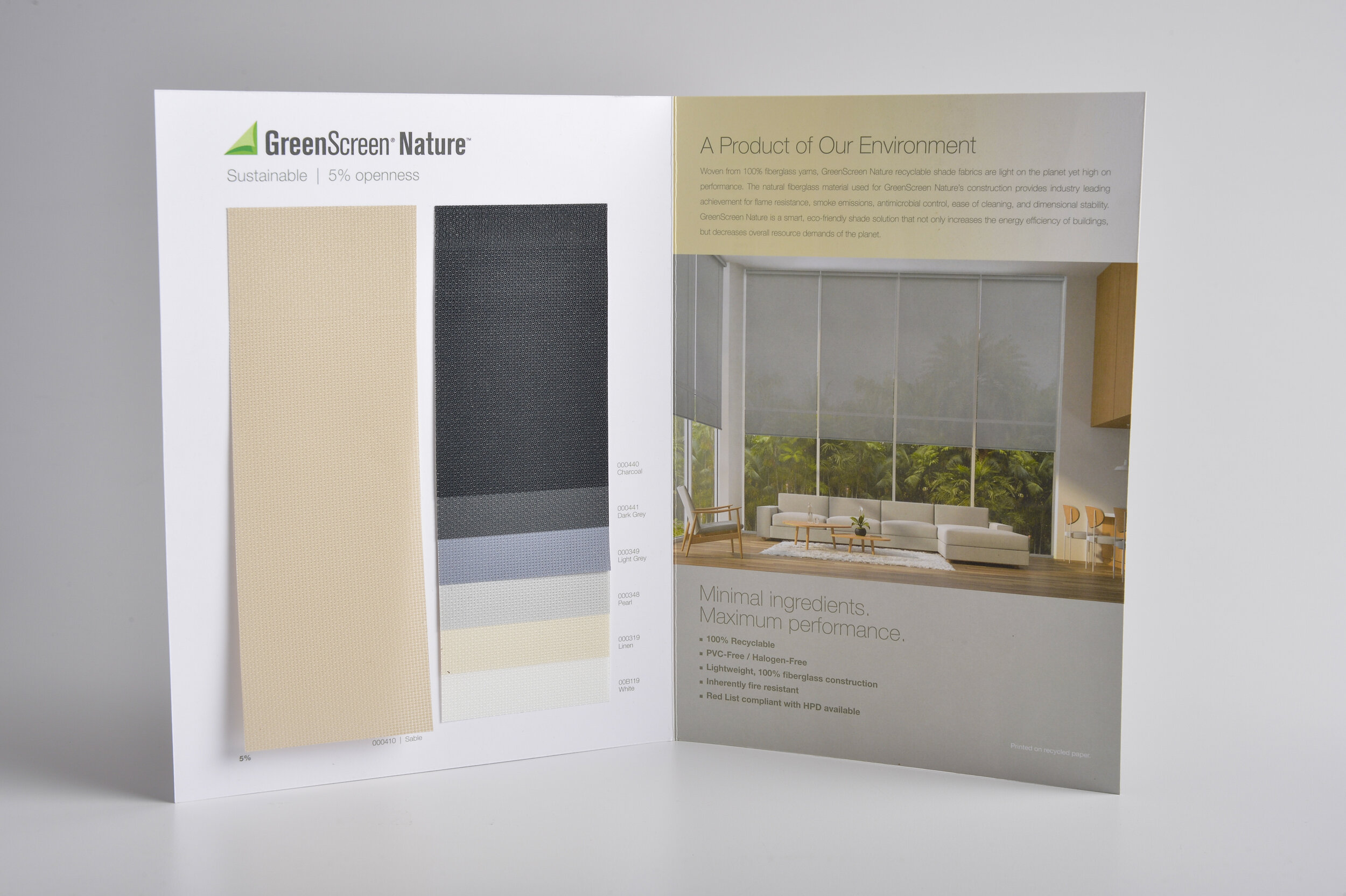
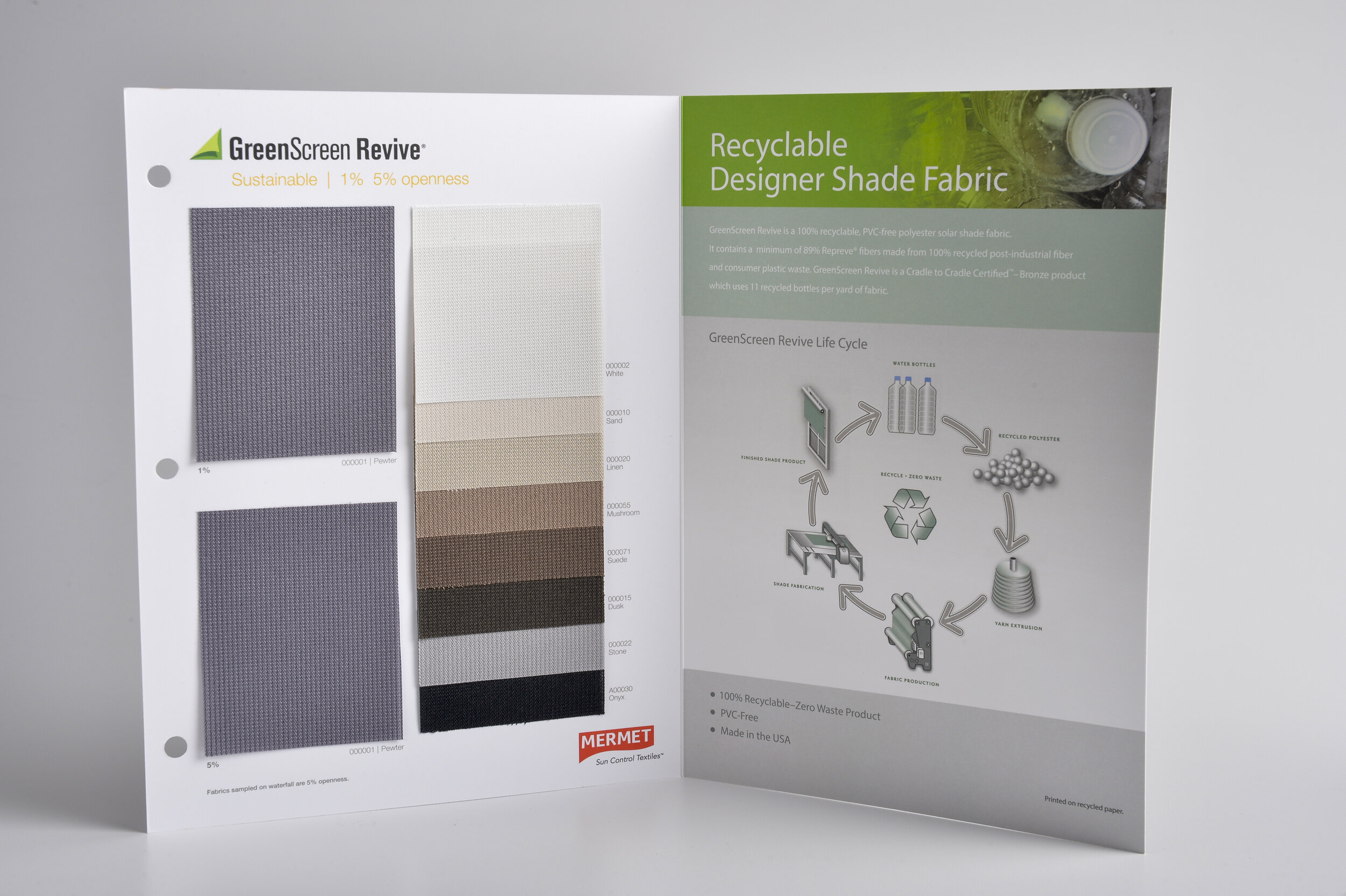
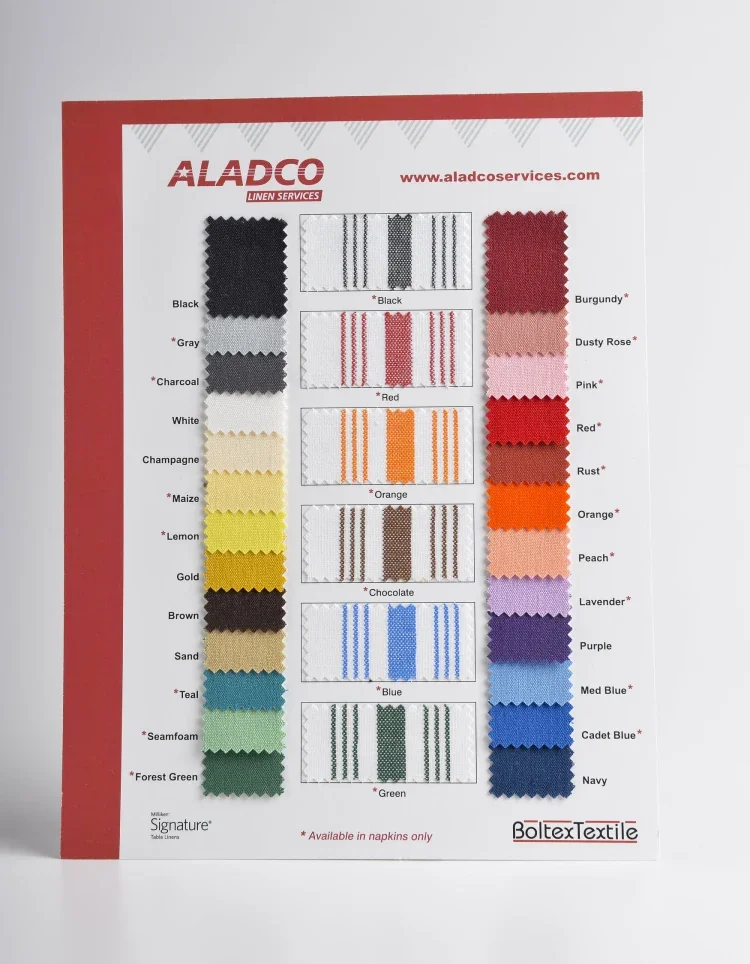
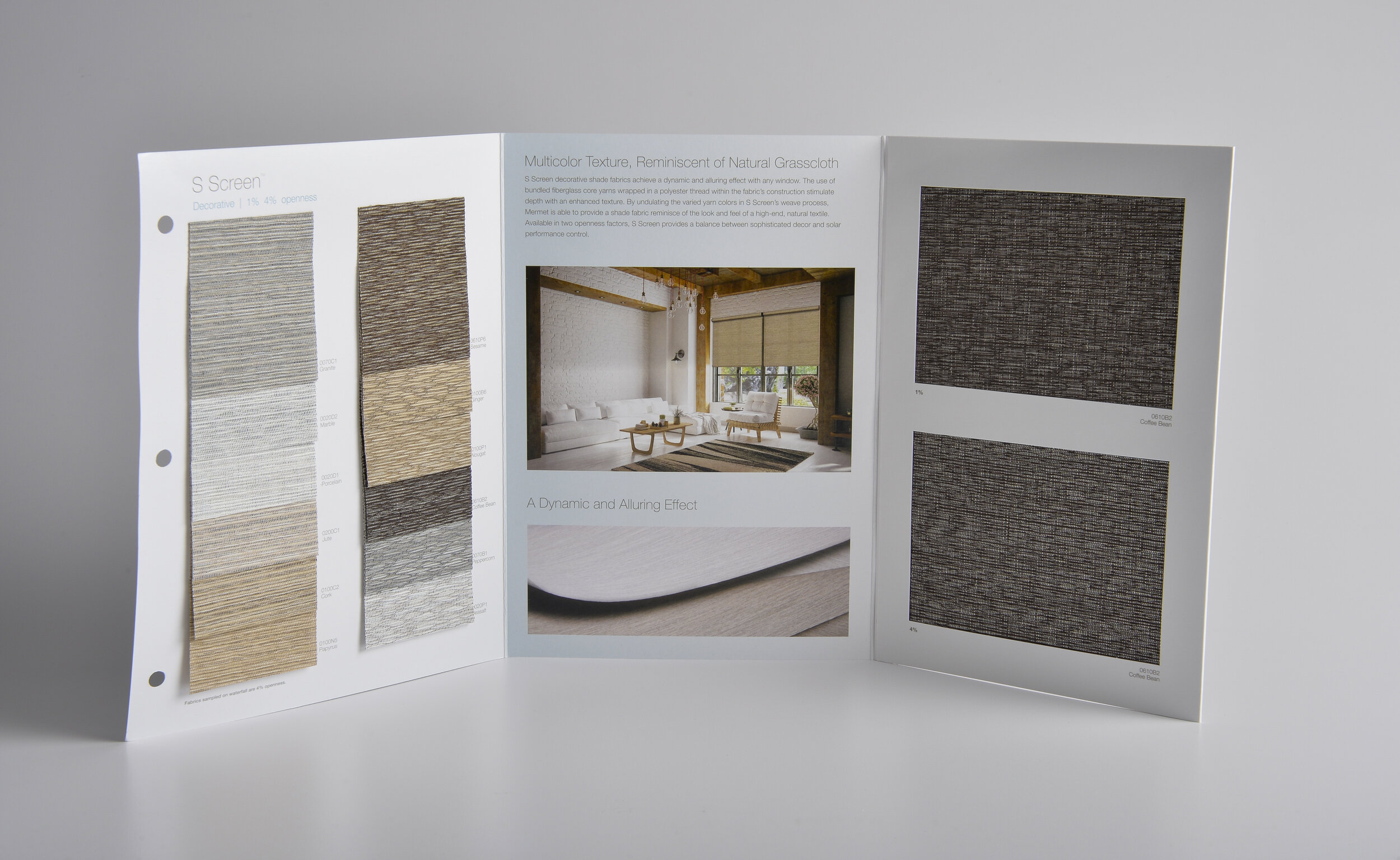
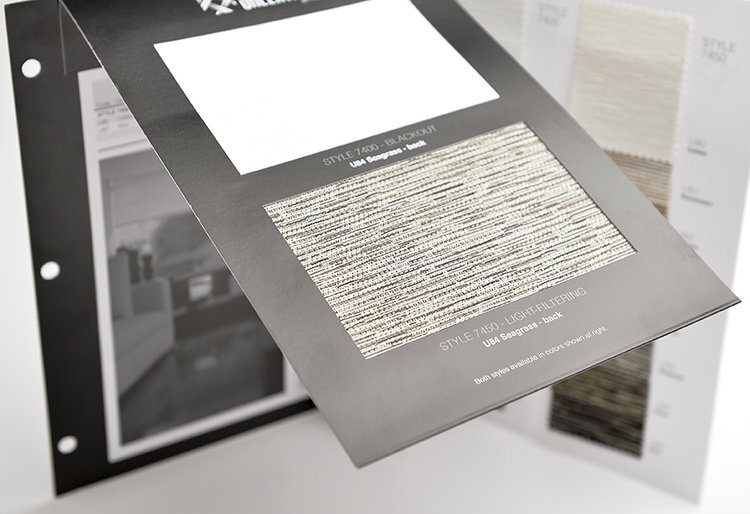
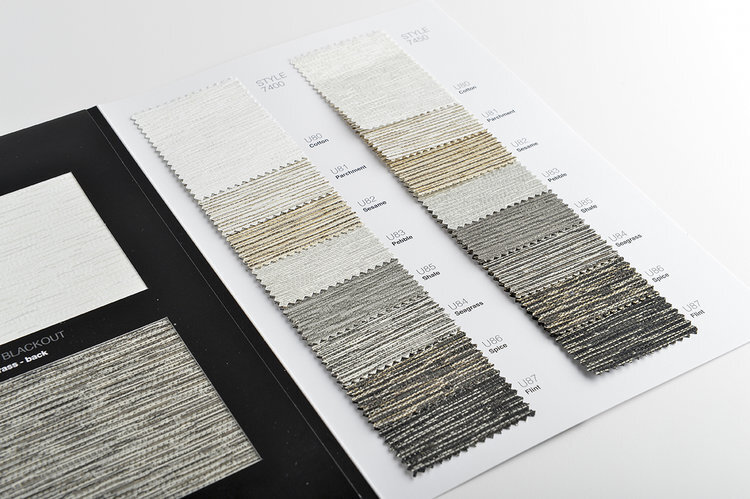
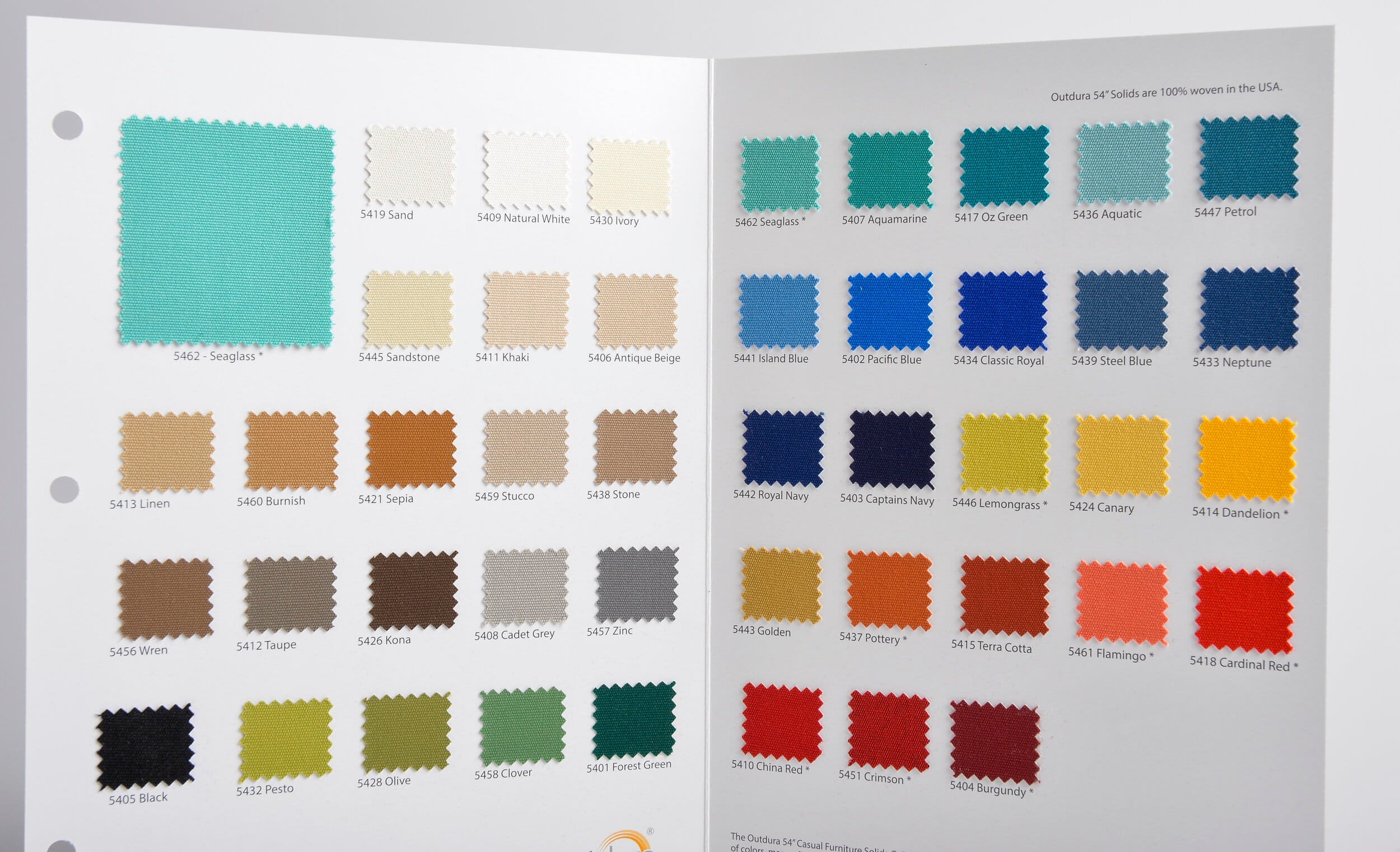
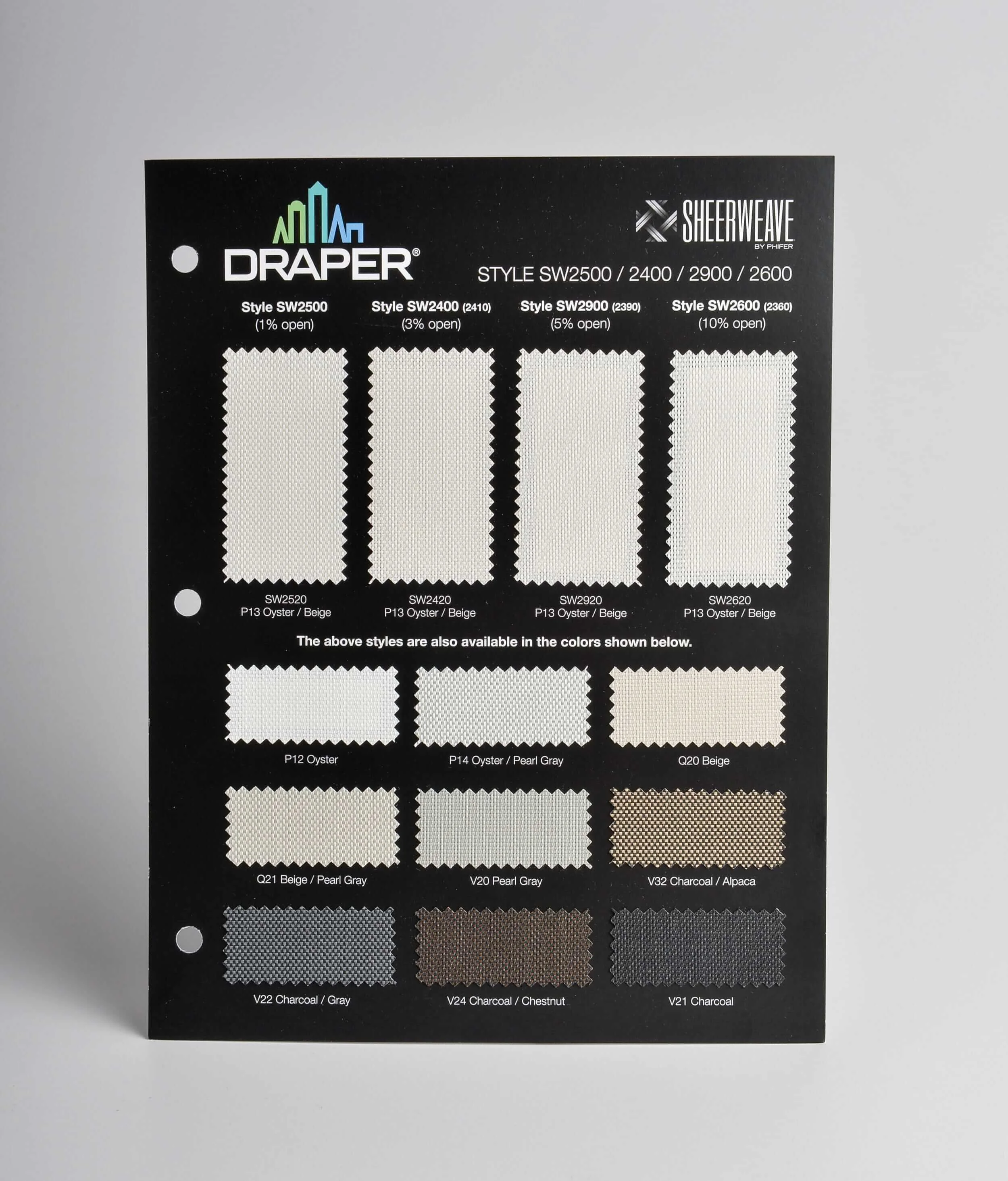
The work horse of the sampling industry, Swatch Cards feature fabric attached to the top surface of a card. Swatch Cards are a convenient and cost effective way to provide a quick all-inclusive view of your line and come with a large assortment of layout options for a broad variety of materials including fabrics, leather, vinyl, wall coverings, wire, and paper.

Textile shapes and edges can be presented in a variety of styles and the product information can be printed directly onto the card. The weight of the card is customizable based upon the card stock selected to best suit the fabric being presented. Swatch cards can vary in size from a small custom card series that is contained in a box, or the typical 8.5 x 11" Single Panel, up to a larger, Double, Triple or Quad Panel array.

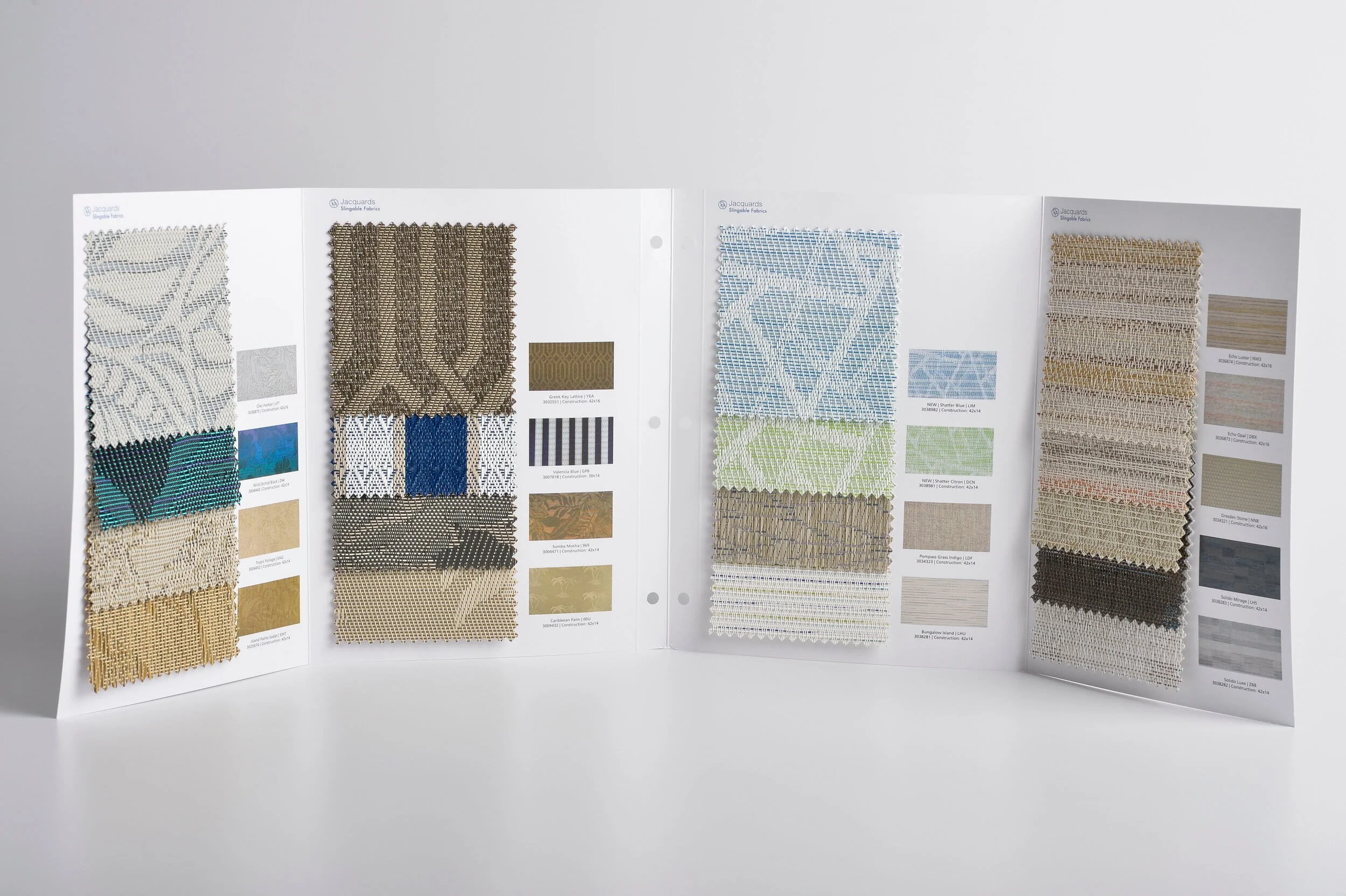
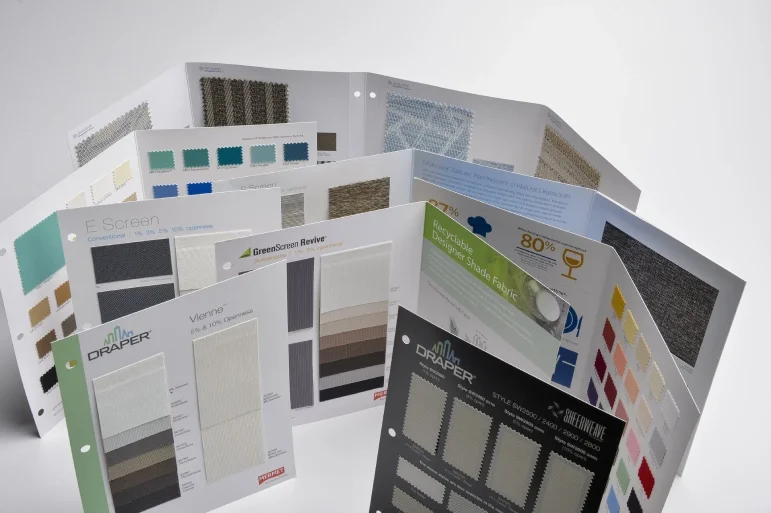
Harris Sample Book can easily customize Swatch Cards according to your needs by varying the number of panels, single or multi; the number of samples per panel; the panel and swatch size and overall presentation.

SINGLE-PANEL PRESENTATION OPTIONS

WATERFALL CARDS

SWATCH WITH PHOTO

DIE-CUT CARDS

FEELERS


Multi-PANEL PRESENTATION OPTIONS

DOUBLE PANEL

TRIPLE PANEL

QUAD PANEL


SWATCH CARD GALLERY

FAQ'S

A: A Surface-Mounted Card Has The Fabric Attached Directly To The Top Of The Card, Giving Buyers A Full, Unobstructed View Of Color And Texture Right Away. A Die-Cut Card Instead Frames The Fabric Through A Cut Window, Adding A Layer Of Visual Polish And Working Especially Well When You Want The Presentation Itself To Feel Considered And Premium. Surface Mounting Tends To Win When You Are Showing A Large Number Of Swatches Quickly And Want Speed And Cost Efficiency. Die-Cut Framing Tends To Win When The Fabric Benefits From A Bit Of Drama, Such As A Rich Upholstery Weight Or A Statement Pattern. We Often Help Clients Weigh Both Against Their Budget And Their Collection Size Before Deciding.
A: The Right Panel Count Usually Comes Down To How Many Swatches You Need To Show And How Much Story You Want To Tell Alongside Them. A Single Panel Works Well For A Focused, Compact Line Where Buyers Just Need To See And Feel The Fabric Quickly. Double And Triple Panels Give You Room To Add Product Details, Care Information, Or Lifestyle Photography Without Crowding The Swatches Themselves. Quad Panels Suit Larger Collections Or Lines That Benefit From Grouping By Color Family Or Pattern Type. We Generally Recommend Starting With What Your Buyer Needs To Make A Decision, Then Building The Panel Count Around That Rather Than The Other Way Around.
A: Pinked Edges Work Nicely On Wovens And Mid-Weight Fabrics Since The Zigzag Cut Resists Fraying While Keeping A Classic, Tailored Look. Straight Cut Edges Suit Tightly Woven Or Bonded Materials, Vinyls, And Papers Where Fraying Is Not A Concern And A Clean, Modern Line Is Preferred. Serged Edges Are Often The Better Call For Loosely Woven Fabrics, Delicate Knits, Or Anything Prone To Unraveling, Since The Stitched Border Holds The Material Firmly In Place Over Time. At Sample Book, We Look At Fiber Content And Weave Density Before Recommending A Finish, Because The Wrong Edge Treatment Can Shorten The Life Of A Swatch That Buyers Handle Again And Again.
A: Cardstock Weight Does A Lot Of Quiet Work In How A Swatch Feels In Someone's Hand. A Heavier Stock Signals Durability And Quality, Which Pairs Well With Upholstery Fabrics, Leathers, Or Premium Home Textiles Where Buyers Expect Substance. A Lighter Stock Keeps Things Nimble And Cost-Effective, Which Suits Apparel Fabrics Or Large Collections Where You Want Buyers Flipping Through Many Options Without Fatigue. If The Card Feels Flimsy Under A Heavy Fabric, It Can Undercut The Fabric's Own Quality Story Before Anyone Even Touches The Material. We Match Stock Weight To Fabric Weight So The Card Feels Purpose-Built For What It Carries.
A: A Boxed Card Series Works Well When You Want A Tactile, Gift-Like Unboxing Moment, Which Is Common With Premium Or Design-Focused Collections Meant To Leave A Strong First Impression. It Also Keeps Individual Cards Loose And Easy To Shuffle, Compare, Or Hand Out Separately During A Sales Conversation. A Standard Panel Format Is More Efficient For Larger Lines, Trade Show Settings, Or Situations Where Buyers Need To Move Through Many Options Quickly In A Bound Sequence. We Find Boxed Sets Shine When The Brand Experience Matters As Much As The Fabric Itself, While Panels Are The Practical Choice For Volume And Speed.